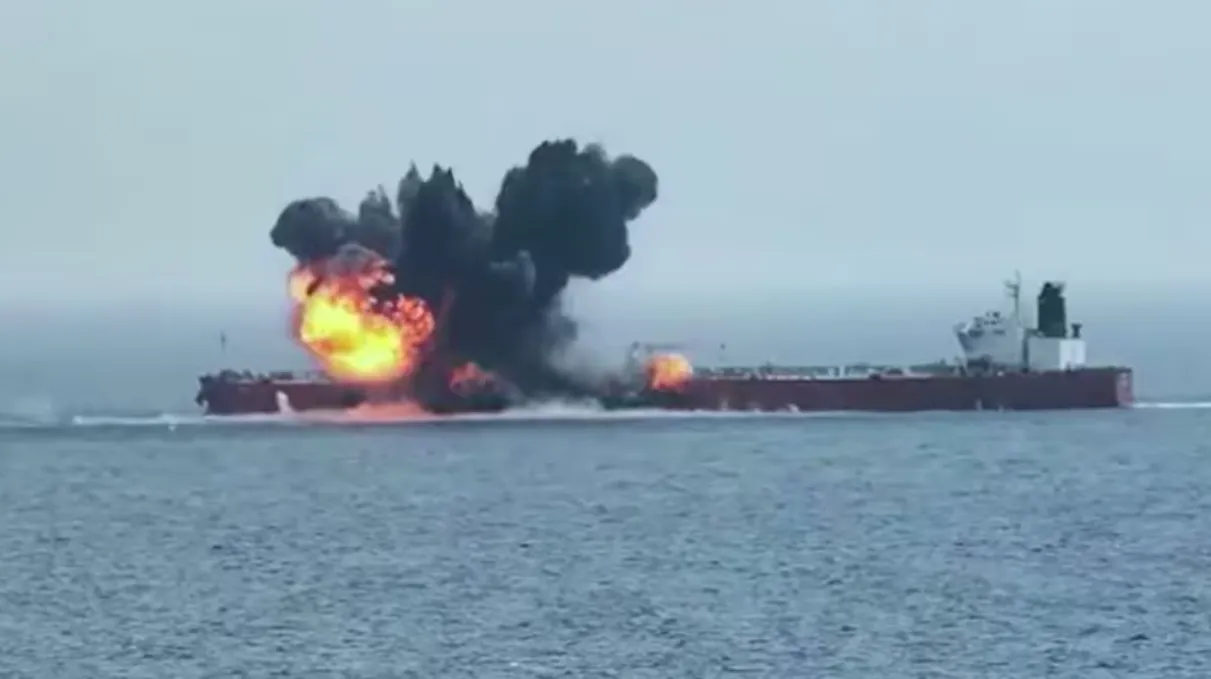
Shipping from China to Saudi Arabia is one of the busiest trade corridors for GCC-bound importers, but security incidents in the Red Sea and Gulf of Aden are once again rewriting the risk map. On 11 August 2026, Yemen’s transport ministry reported a new Houthi attack on a small merchant vessel in the Bab el-Mandeb Strait, killing four crew members. At roughly the same time, reports surfaced of a container ship being struck by a suspected missile off the coast of Pakistan, suggesting the danger zone may be widening beyond the Bab el-Mandeb chokepoint.
These are not distant headlines. They directly affect sailing schedules, war-risk insurance premiums, and the decisions of importers tracking goods from Chinese factories to Jeddah, Dammam, and King Abdullah Port. So how do you protect a cargo shipment bound from China to Saudi Arabia under these conditions?
What happened in Bab el-Mandeb on 11 August 2026?
Bab el-Mandeb is the narrow waterway that links the Red Sea with the Gulf of Aden and the Indian Ocean, carrying about 12 percent of global maritime trade. On 11 August, Yemen’s transport ministry announced that Houthi forces had targeted a small commercial vessel in the strait, killing four of its crew. While technical details are still being verified, the loss of seafarer lives marks an escalation after months of ship attacks without major casualties.
Around the same period, unconfirmed reports emerged that a container ship was hit by a projectile off Pakistan’s coast. Even without official attribution, the mere occurrence of such incidents forces carriers to reassess routes and pushes importers to review their logistics plans.
Why Bab el-Mandeb matters for China–Saudi Arabia shipping
Saudi Arabia relies heavily on Jeddah Islamic Port on the Red Sea coast, as well as King Abdullah Port. Any disruption at Bab el-Mandeb means vessels sailing from China via the Suez Canal must either pass through the strait or take the long alternative route around the Cape of Good Hope.
In recent months, Saudi oil tankers have been avoiding Bab el-Mandeb and sailing around Africa, adding more than 25 days to the voyage. Container carriers have followed similar paths or raised freight rates to cover extra fuel, insurance, and vessel-hire costs.
The 11 August attack confirms that the Red Sea shipping crisis is not over and that logistical challenges will continue until the political and security picture in the region becomes clearer.
How the incident affects your cargo
1. Higher war-risk insurance premiums
As attacks escalate, insurance clubs and reinsurers have raised war-risk premiums for vessels transiting the Red Sea and Bab el-Mandeb. That increase is ultimately passed on to shippers or importers.
2. Longer transit times
When a carrier decides to avoid Bab el-Mandeb, the alternative route around Africa adds at least 10–15 days. That means delayed deliveries and disrupted warehouse stock plans.
3. Tighter vessel capacity
Ships that take longer routes remain at sea for more days, reducing the number of available sailings and tightening container capacity. The result is higher freight rates during peak periods.
4. Contractual and legal risks
Some contracts do not automatically adjust for force-majeure or security events. If your sales agreement sets a fixed delivery date, you may face penalties or lost customers due to unpredictable delays.
Practical steps to protect your China–Saudi Arabia shipments
The table below summarizes actions you can take now to reduce exposure:
| Step | What to do | Benefit |
|---|---|---|
| Build a flexible schedule | Add a 7–14 day buffer to your expected delivery date | Absorbs unexpected delays |
| Review marine insurance | Confirm war risk, strikes, riots, and terrorism coverage | Limits major financial losses |
| Check your contract terms | Clarify who bears delay liability in your sale or freight contract | Avoids legal disputes |
| Use a transit warehouse | Store goods in Jebel Ali or a Saudi free zone | Gives you rerouting flexibility |
| Track daily | Monitor vessel position through maritime tracking platforms | Keeps your client updates accurate |
| Pre-clear customs | Make sure your customs broker is ready to receive the cargo immediately | Cuts port dwell time and demurrage |
Keep in mind that shipping time from China to Saudi Arabia is now less predictable, so early planning is the best protection.
Available alternatives to ocean freight
If your cargo is time-sensitive or high-value, consider these alternatives:
1. Air freight
Air freight from China to Saudi Arabia bypasses sea lanes entirely and delivers goods in 3–7 business days. It is best suited for high-value or perishable goods, although it costs more than ocean freight.
2. Ship to Jebel Ali, then move by land to Saudi Arabia
Cargo can be discharged at Jebel Ali in Dubai and then transported by road through Al Batha or re-exported from the UAE. This avoids Bab el-Mandeb but adds land-transit time. Read more about container shipping from China to the UAE to understand the transit hub option.
3. Use Fujairah Port
Fujairah Port lies on the UAE’s eastern coast outside the Strait of Hormuz. It can serve as an alternative entry point for goods that are later moved to Saudi Arabia by road or re-export.
Cargo insurance in the current security climate
Marine insurance has become a critical part of any shipment to the region. Make sure you address the following:
- War-risk coverage: Standard cargo policies often exclude war or terrorism damage.
- The new Lloyd’s clause: Lloyd’s Market Association clause may void insurance if certain transit fees are paid through prohibited zones, so review the policy with your broker.
- Cargo, not just hull insurance: Even if the vessel is insured, the goods inside the container may not be covered unless you have a separate cargo policy.
- Translated certificate: If the policy is in English, request an Arabic or Chinese summary to avoid misunderstandings.
How GCC Freight can help
At GCC Freight, we understand that maritime security is no longer a distant concern for importers; it is now part of daily cost and time planning. That is why we offer:
- Custom route planning: We recommend the best path based on cargo type, deadline, and budget.
- Comprehensive insurance support: We help you choose a marine policy suited to the risks of the region.
- DDP customs clearance: We provide full customs clearance at Jeddah, Dammam, and King Abdullah Port.
- Dubai warehousing: If you need an intermediate stop, we can store your goods in our Jebel Ali warehouses.
- Live tracking: We provide regular updates on vessel location and expected delays.
- SABER support: We help you complete SABER requirements before cargo arrives, preventing port detention.
Frequently asked questions
Can I switch from ocean freight to air freight to avoid Bab el-Mandeb? Yes, we offer air freight from China to Saudi Arabia for urgent or high-value cargo.
Does insurance cover delays caused by attacks? Marine insurance typically covers physical damage, not delays. You should negotiate contract terms to reduce commercial losses from late delivery.
Are shipments still reaching Jeddah and Dammam normally? Yes, vessels are still arriving, but routes and schedules may change. Pre-planning and daily tracking are essential.
What is the difference between DDP and DDU in this situation? DDP means we handle all duties and clearance, while DDU leaves customs and taxes to the importer. DDP is currently preferable to avoid surprises.
Conclusion
The 11 August 2026 attack in Bab el-Mandeb, which killed four seafarers, is a stark reminder that Red Sea navigation remains dangerous. If you import from China to Saudi Arabia, the best strategy is to combine early planning, proper insurance, route review, and partnership with a logistics provider that knows the region.
Do not leave your cargo at the mercy of headlines. Contact GCC Freight today to design a safe shipping plan tailored to your needs.
- WhatsApp: Get a quote now