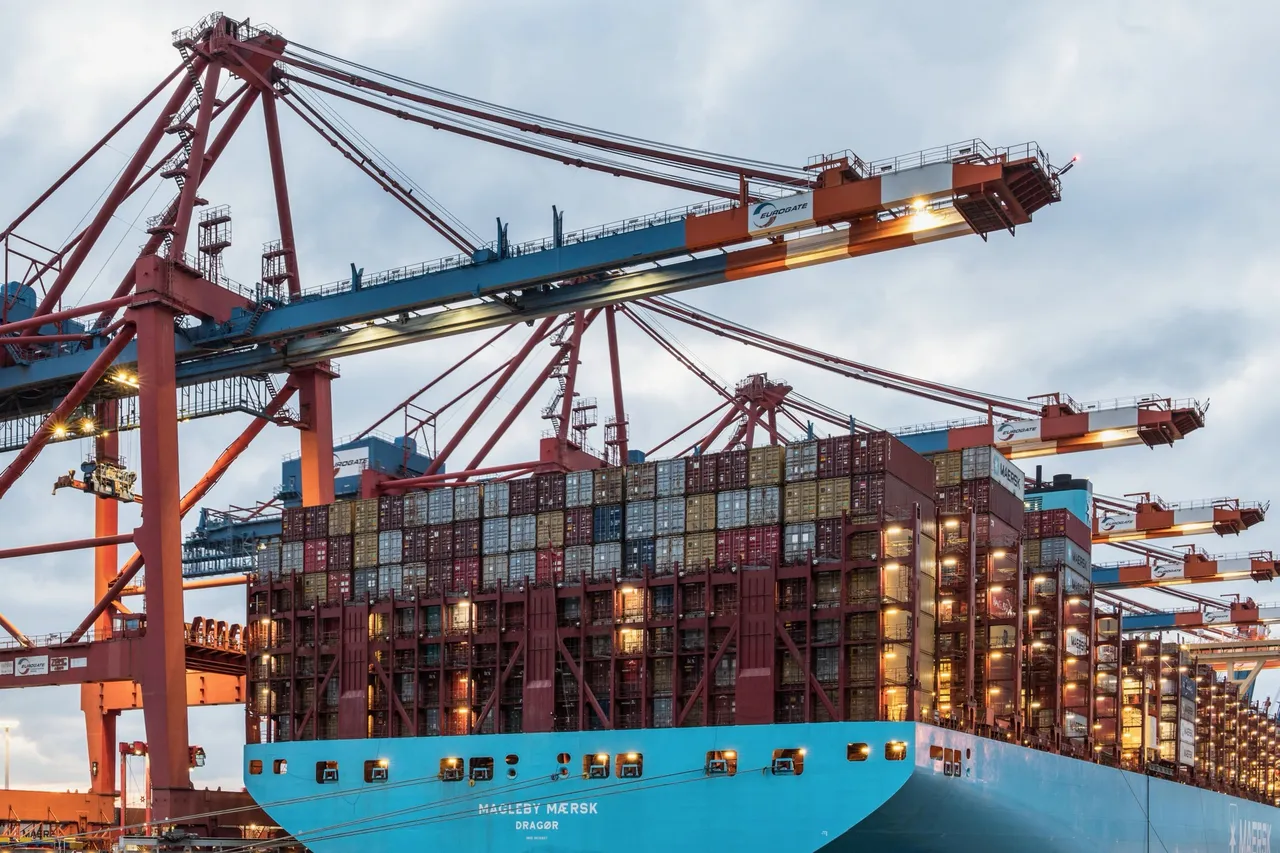
Saudi Arabia is the largest market in the Gulf region, with the highest demand for Chinese goods. Whether you import electronics, building materials, furniture, or apparel, knowing the exact shipping cost from China to Saudi Arabia is key to running a successful business. In this guide, we provide 2026 pricing estimates, port details, customs requirements, SABER certification, and practical tips to reduce your total landed cost.
Why Saudi Arabia Is the #1 Destination for Chinese Imports
Saudi Arabia is not just the largest Arab economy — it is:
- The largest consumer market in the GCC, with over 35 million people
- Vision 2030 driving unprecedented infrastructure and investment growth
- Multiple ports: Jeddah (Red Sea), Dammam (Arabian Gulf), and Riyadh Dry Port
- High demand for electronics, construction materials, auto parts, furniture, and food
- Active import trade from China covering consumer and industrial goods
Shipping Cost Indicators from China to Saudi Arabia (2026)
The following figures are estimates and depend on shipment volume, port pair, season, and cargo type. For an exact quote, contact the GCC Freight team.
Sea Freight (FCL)
| Container Type | Estimated Price Range (China to Saudi Arabia) | Notes |
|---|---|---|
| 20 ft (20GP) | USD 1,200 – 2,200 | Suitable for medium to large shipments |
| 40 ft (40GP/40HQ) | USD 1,800 – 3,500 | Ideal for bulk cargo, furniture, and project goods |
| 45 ft (HC) | USD 2,500 – 4,200 | For very large or light volumetric cargo |
Note: We settle invoices in the currencies our company supports: Chinese Yuan (CNY), UAE Dirham (AED), and Saudi Riyal (SAR).
Less-than-Container-Load (LCL) Sea Freight
| Volume | Estimated Price per CBM | Notes |
|---|---|---|
| 1 – 5 CBM | USD 70 – 110 / m³ | Suitable for small orders |
| 6 – 15 CBM | USD 60 – 100 / m³ | Best value range before switching to FCL |
| Above 15 CBM | FCL usually preferred | A 20 ft container often becomes more economical |
Practical rule of thumb: Once your shipment exceeds 15–17 CBM, booking a full 20 ft container is usually cheaper than LCL.
Air Freight
| Cargo Type | Estimated Price | Transit Time |
|---|---|---|
| General cargo | USD 3.0 – 5.5 / kg | 4 – 7 business days |
| Urgent / high-value goods | USD 5.0 – 8.0 / kg | 3 – 5 business days |
| Large air shipments | Based on weight / volume | Subject to flight availability |
Key Ports on the China–Saudi Arabia Route
Main Ports in China for Saudi Arabia Shipments
- Shanghai: The world’s largest port with direct lines to Jeddah and Dammam
- Ningbo-Zhoushan: Close to East China factories
- Shenzhen: Near electronics and consumer goods manufacturers
- Guangzhou: Ideal for furniture and household products
- Qingdao / Tianjin: Suitable for northern industrial cargo
Saudi Arabia Ports
| Port | Location | Best Used For |
|---|---|---|
| Jeddah Islamic Port | Red Sea (Western Saudi Arabia) | Closest to the Suez Canal; ideal for Makkah, Jeddah, and Madinah regions |
| King Abdulaziz Port in Dammam | Arabian Gulf (Eastern Saudi Arabia) | Ideal for the Eastern Province, Riyadh, and Dammam |
| Riyadh Dry Port | Inland, Riyadh | Customs clearance for cargo arriving via Dammam or Jeddah directly in Riyadh |
| Duba Port | Tabuk (Northwest) | Suitable for shipments destined for Northern Saudi Arabia |
Full Landed Cost Breakdown
Shipping cost is not just the ocean or air freight charge. The full landed cost includes:
- Inland transport in China: Factory to port of loading
- Ocean or air freight: Base carrier charge
- Origin port charges: Stuffing, documentation, terminal handling
- Cargo insurance: Optional but recommended for valuable goods
- Destination port charges: Unloading, terminal handling, delivery order
- Customs duty: 5% – 15% of CIF value depending on product
- Zakat: 2.5% for registered Saudi importers (where applicable)
- VAT: 15% on most imported goods
- SABER certificate fees: Product conformity certification costs
- Clearance and brokerage fees: Certificates, licenses, inspections
- Inland delivery in Saudi Arabia: Port to your warehouse
SABER Certification — Mandatory for Saudi Imports
SABER is the Saudi electronic platform for issuing product conformity certificates. Without a SABER certificate, customs clearance is not possible for any regulated product.
Products Requiring SABER
- Electrical and electronic appliances
- Building and construction materials
- Auto parts and tires
- Children’s products and toys
- Cosmetics and personal care products
- Food products (depending on type)
- Chemicals and detergents
Steps to Obtain a SABER Certificate
- Register the product on the SABER electronic platform
- Submit technical documentation (test report from accredited lab, ISO certificate)
- Application review by an approved conformity assessment body
- Issuance of Certificate of Conformity (CoC) for the product
- Issuance of Shipment Certificate for each individual shipment
GCC Freight tip: Start SABER procedures at least two weeks before shipping, as certificate delays can result in cargo holdups at customs and demurrage charges.
Saudi Customs and Documentation Requirements
Essential Documents
- Commercial Invoice
- Packing List
- Bill of Lading / Airway Bill
- Certificate of Origin
- SABER Certificate (for regulated products)
- Insurance Certificate (when required)
Customs Duty and Taxes
- Customs duty: 5% – 15% depending on HS code and product type
- VAT: 15% on most imported goods
- Zakat: 2.5% for registered Saudi importers (where applicable)
- Exemptions: Some raw materials, medical equipment, and medicines
Estimated Transit Times to Saudi Arabia
| Shipping Mode | Estimated Transit Time | Notes |
|---|---|---|
| Sea freight FCL | 18 – 25 days | From Chinese port to Jeddah or Dammam |
| Sea freight LCL | 22 – 30 days | Includes consolidation and deconsolidation time |
| Air freight | 4 – 7 business days | Depends on flight and customs clearance |
| Door-to-Door DDP | 25 – 40 days | Includes final inland delivery and clearance |
How to Reduce Shipping Costs to Saudi Arabia
1. Choose the Right Port
- Cargo destined for Jeddah, Makkah, Madinah → Use Jeddah Islamic Port
- Cargo destined for Riyadh, Eastern Province → Use Dammam Port or Riyadh Dry Port
- Choosing the nearest port reduces inland transport costs significantly
2. Use DDP Service
DDP (Delivered Duty Paid) gives you:
- Fully calculated total cost in advance
- Avoidance of Saudi customs complexities
- Fast clearance via SABER and customs
3. Plan Ahead — Avoid Peak Seasons
Avoid shipping during Ramadan, Hajj, and Saudi public holidays when freight rates rise and customs clearance gets congested.
4. Optimize Packaging
Use uniform carton sizes and avoid empty space inside boxes. Every extra CBM in LCL costs money.
5. Choose the Nearest Chinese Port
Factories in South China → Shenzhen or Guangzhou. Factories in East China → Ningbo or Shanghai. This reduces inland transport costs in China significantly.
Why Choose GCC Freight for Saudi Arabia Shipments?
- SABER expertise: We help you obtain Saudi conformity certificates quickly.
- Full port coverage: Jeddah, Dammam, Riyadh Dry Port with inland delivery.
- Documentation support: Preparation and legalization of invoices and certificates.
- Arabic-speaking team: We communicate in Arabic and understand your needs.
- Flexible payment: We accept CNY, AED, and SAR.
- Competitive rates: Our high shipping volume secures the best rates from carriers.
Frequently Asked Questions
How much does shipping from China to Saudi Arabia cost?
It depends on size and method. FCL 20 ft starts around USD 1,200, LCL from USD 70/CBM, and air freight from USD 3.0/kg. Request an exact quote.
How long does sea freight take from China to Saudi Arabia?
Around 18–25 days from major Chinese ports to Jeddah or Dammam.
What is SABER certification and why is it important?
SABER is the Saudi electronic platform that requires mandatory conformity certification for regulated products. Without it, customs clearance is not possible.
Do you offer DDP service to Saudi Arabia?
Yes, we offer full DDP from the Chinese factory to your warehouse in Saudi Arabia, including freight, customs clearance, SABER certification, duty payment, and inland delivery.
Which Saudi ports do you serve?
We serve Jeddah Islamic Port, King Abdulaziz Port in Dammam, and Riyadh Dry Port, with delivery to all regions of the Kingdom.
Conclusion
Saudi Arabia is a huge and promising market, but shipping there requires a clear understanding of costs and regulatory requirements. Whether you import via Jeddah or Dammam, by sea or air, choosing the right logistics partner ensures your cargo arrives at the lowest cost and highest efficiency.
Planning a shipment to Saudi Arabia? Contact GCC Freight now for a clear, itemized quote, with full SABER certification and customs clearance support.