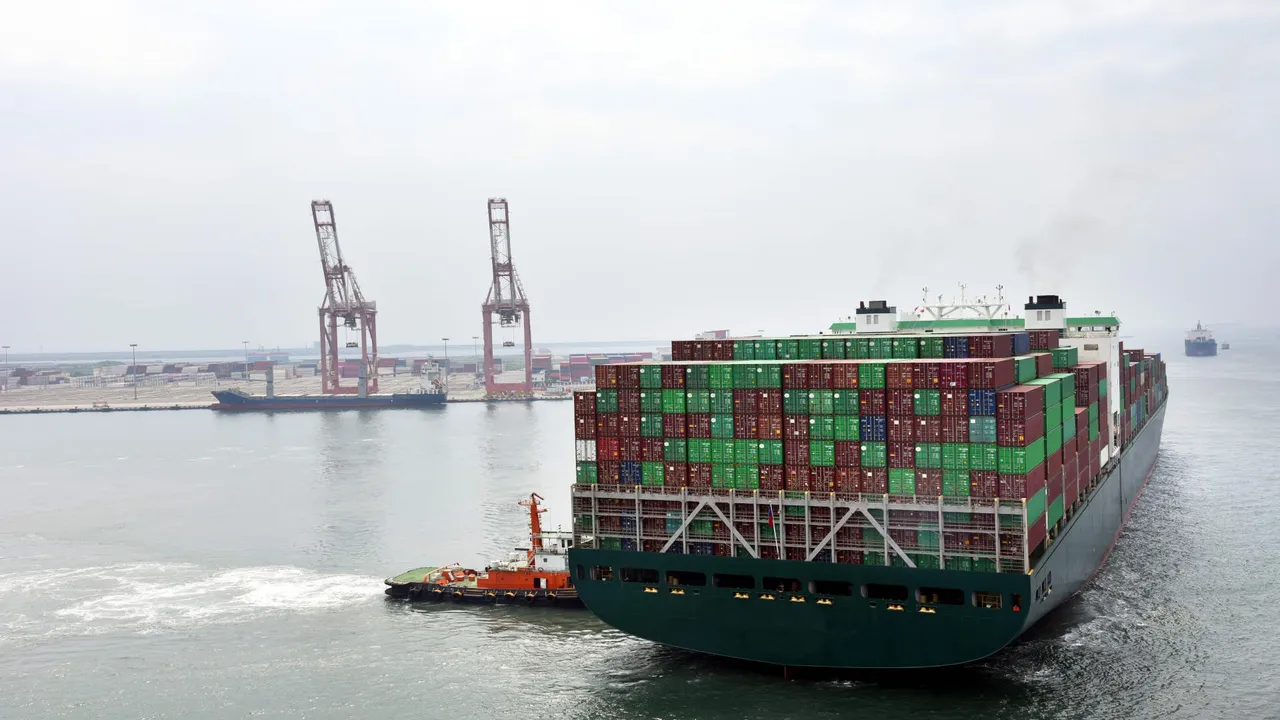
In early August 2026, vessel tracking data revealed a notable shift: six Saudi Very Large Crude Carriers (VLCCs) operated by Bahri changed course to avoid the Bab el-Mandeb Strait and sailed around the Cape of Good Hope at the southern tip of Africa. At the same time, the London insurance market expanded the Red Sea high-risk area to include more waters near Saudi ports. Source: Reuters / gCaptain, 3 August 2026.
This news is not just about oil tankers. If you import goods from China to Saudi Arabia, the actions of Saudi oil tankers send a direct signal to the container, insurance, and port markets. In this article, we explain why Saudi tankers are circumnavigating Africa, how this affects container shipping to Jeddah and Dammam, and what importers should do to control timing and cost.
Why Are Saudi Oil Tankers Rerouting Around Africa?
Bab el-Mandeb Is the Critical Gateway to the Red Sea
The Bab el-Mandeb Strait separates Yemen from the Horn of Africa and controls all traffic entering and leaving the Red Sea. For Saudi Arabia, the Red Sea is the main maritime corridor to Jeddah Islamic Port and King Abdullah Port on the western coast. The Suez Canal also connects the Red Sea to the Mediterranean, making Bab el-Mandeb a global chokepoint.
VLCCs Have Limited Options
A Very Large Crude Carrier (VLCC) carries roughly two million barrels of crude oil. Its massive size makes it difficult to stop or maneuver quickly. It has two main choices:
- Pass through Bab el-Mandeb and the Red Sea.
- Sail around the Cape of Good Hope in southern Africa.
The second option adds at least 25 days to the voyage, plus additional fuel costs and high daily charter expenses. Bahri would only make this decision when it judges that the risk cost in Bab el-Mandeb is higher than the cost of diversion.
Why This Matters for Container Shipping from China to Saudi Arabia
1. A Market Signal, Not Just a News Headline
In a previous article on the Houthi denial of Red Sea fees, we explained that vessel movements are more reliable than political statements. When Saudi-owned oil tankers — from the kingdom itself — change course to avoid Bab el-Mandeb, they send a clear message: the strait is still considered high-risk for commercial shipping, even if some media statements appear calmer.
2. Marine Insurance Is Tightening Further
When London expands the Red Sea high-risk area, war risk insurance premiums rise not only for oil tankers but also for container vessels passing through the region. This cost is ultimately passed to shippers and importers as additional surcharges (WRS/PSS) or general freight rate increases.
3. Pressure on Jeddah as a Red Sea Port
If oil tankers and container ships continue avoiding Bab el-Mandeb, Jeddah Islamic Port — the main gateway to Saudi Arabia’s western coast — will see fewer direct sailings. This means:
- Greater congestion on alternative routes.
- More truck transport from Dammam or Jebel Ali to Jeddah.
- Volatility in delivery schedules.
4. Dammam Becomes a More Attractive Alternative
King Abdulaziz Port in Dammam lies on the Arabian Gulf, south of the Strait of Hormuz. While Jeddah depends on the Red Sea, Dammam depends on the Gulf. If Bab el-Mandeb remains high-risk, many importers will shift shipments to Dammam and move goods inland by road to Riyadh or Jeddah.
How the Cape of Good Hope Rerouting Affects Transit Times
Normal Route vs. Rerouted Route
| Route | Estimated Transit from China | Main Saudi Ports |
|---|---|---|
| Via Bab el-Mandeb and Red Sea | 18 – 24 days | Jeddah, Yanbu |
| Around Cape of Good Hope | 35 – 50 days | Jeddah, Yanbu (with significant delay) |
| Via Gulf to Dammam | 18 – 24 days | Dammam, Jubail |
| Air freight | 3 – 7 days | Riyadh, Jeddah, Dammam |
Key point: 25 extra days is not just a number. For an importer selling seasonal goods or production inputs, that gap can mean missing a season or halting a production line.
What Does 25 Extra Days Mean for the Importer?
- Capital cost: Goods tied up at sea longer mean frozen working capital.
- Storage cost: If goods arrive late, you may need extra warehouse space.
- Lost sales risk: Seasonal goods that arrive after the deadline lose much of their value.
- Alternative cost: If you must compensate with air freight, the cost rises sharply.
What Saudi Importers Should Do Now
1. Confirm the Actual Route Before Booking
Do not assume your shipment will transit the Red Sea. Ask your freight forwarder: does the planned route pass Bab el-Mandeb or go around Africa? Is there a Gulf entry option via Dammam? Get written confirmation.
2. Calculate Both Scenarios
When negotiating a price, calculate the cost in two cases:
- Normal case: 18–24 days via the Red Sea.
- Alternative case: 35–50 days around Africa or with extra surcharges.
If your margin cannot absorb the alternative scenario, consider air freight from China to Saudi Arabia for urgent shipments.
3. Consider “Gulf First” for Riyadh or Eastern Region Cargo
Instead of risking Bab el-Mandeb, you can discharge goods in Dammam or Jubail and move them by road to Riyadh. See our shipping time guide from China to Saudi Arabia for a comparison between ports.
4. Use Jebel Ali as a Transshipment Hub
Jebel Ali is the largest logistics hub in the region. You can ship goods to Jebel Ali, clear and store them, then transport by road to Saudi Arabia. This keeps your cargo entirely outside Bab el-Mandeb.
5. Review Your Cargo Insurance
Standard policies may not cover risks arising from war or hostile acts in the Red Sea. Ask about:
- War risk coverage.
- Delay coverage caused by rerouting.
- Exclusions when passing through expanded high-risk zones.
Impact on Shipping Rates from China to Saudi Arabia
These developments are expected to lead to:
| Factor | Expected Impact | Timing |
|---|---|---|
| Red Sea surcharge | USD 200 – 800 per container | Immediate |
| War risk insurance premium | 0.2% – 0.8% of cargo value | Policy-dependent |
| Cape of Good Hope diversion | +10 – +25 days plus extra fuel cost | Carrier-dependent |
| Pressure on Gulf ports | Increased demand for Dammam and Jebel Ali | Within weeks |
Note: The figures above are estimates based on recent developments. Actual costs depend on the carrier, cargo type, value, and insurance coverage.
Frequently Asked Questions
Is it still possible to ship to Jeddah?
Yes, but schedules are less reliable and costs are higher. Some carriers may suspend sailings or reroute around Africa. If your cargo is bound for Jeddah, consider the Gulf + road bridge alternative.
Is Dammam safer than Jeddah right now?
No port is absolutely safe, but Dammam relies on the Strait of Hormuz rather than Bab el-Mandeb. Currently, the Gulf route is considered more stable for commercial container shipping than the Red Sea. You can compare options in our shipping cost guide from China to Saudi Arabia.
Should I use air freight instead of sea freight?
Use air freight for urgent, high-value, or seasonal shipments. For heavy or bulky goods, sea freight with an alternative plan remains more economical.
What is the impact of a 25-day delay on an importer?
An extra 25 days means frozen working capital, higher storage costs, and lost sales opportunities for seasonal goods. That is why you should build a contingency plan before the shipment leaves China.
How do I know if my shipment will be rerouted around Africa?
Ask your freight forwarder for the planned route in writing before booking. Track the container number regularly after shipment. At GCC Freight, we provide periodic updates to clients on cargo routing.
Do oil tankers affect container shipping prices?
Yes, but indirectly. Oil tankers influence:
- Marine insurance premiums.
- Carrier decisions on whether to sail or divert.
- Congestion at alternative ports.
- Overall supply chain timing.
How GCC Freight Adapts to These Developments
At GCC Freight, we monitor vessel movements and high-risk zone updates daily. For our clients in Saudi Arabia, we offer:
- Multi-port booking: Jeddah, Dammam, Yanbu, Jebel Ali.
- DDP customs clearance in Saudi Arabia with SABER and SASO support.
- Road transport from Jebel Ali and Bahrain to Riyadh, Jeddah, and Dammam.
- Air freight as an alternative for urgent cargo.
- Temporary warehousing in Dubai to keep supply chains running.
- Multi-currency pricing: AED, SAR, CNY.
Conclusion
The diversion of six Saudi VLCCs around the Cape of Good Hope is not just an oil-market story. It is a signal that Bab el-Mandeb is still considered high-risk, and that the impact will eventually reach container rates, insurance premiums, and delivery schedules. For Saudi importers, the right strategy is not to rely on one port or one corridor, but to build a plan that combines the Red Sea, the Gulf, air freight, and strategic warehousing.
If you are planning a shipment from China to Saudi Arabia, contact GCC Freight to review the best route for your cargo, compare Jeddah, Dammam, and Jebel Ali, and get a DDP quote that factors in current risks.
- WhatsApp: Get a quote now