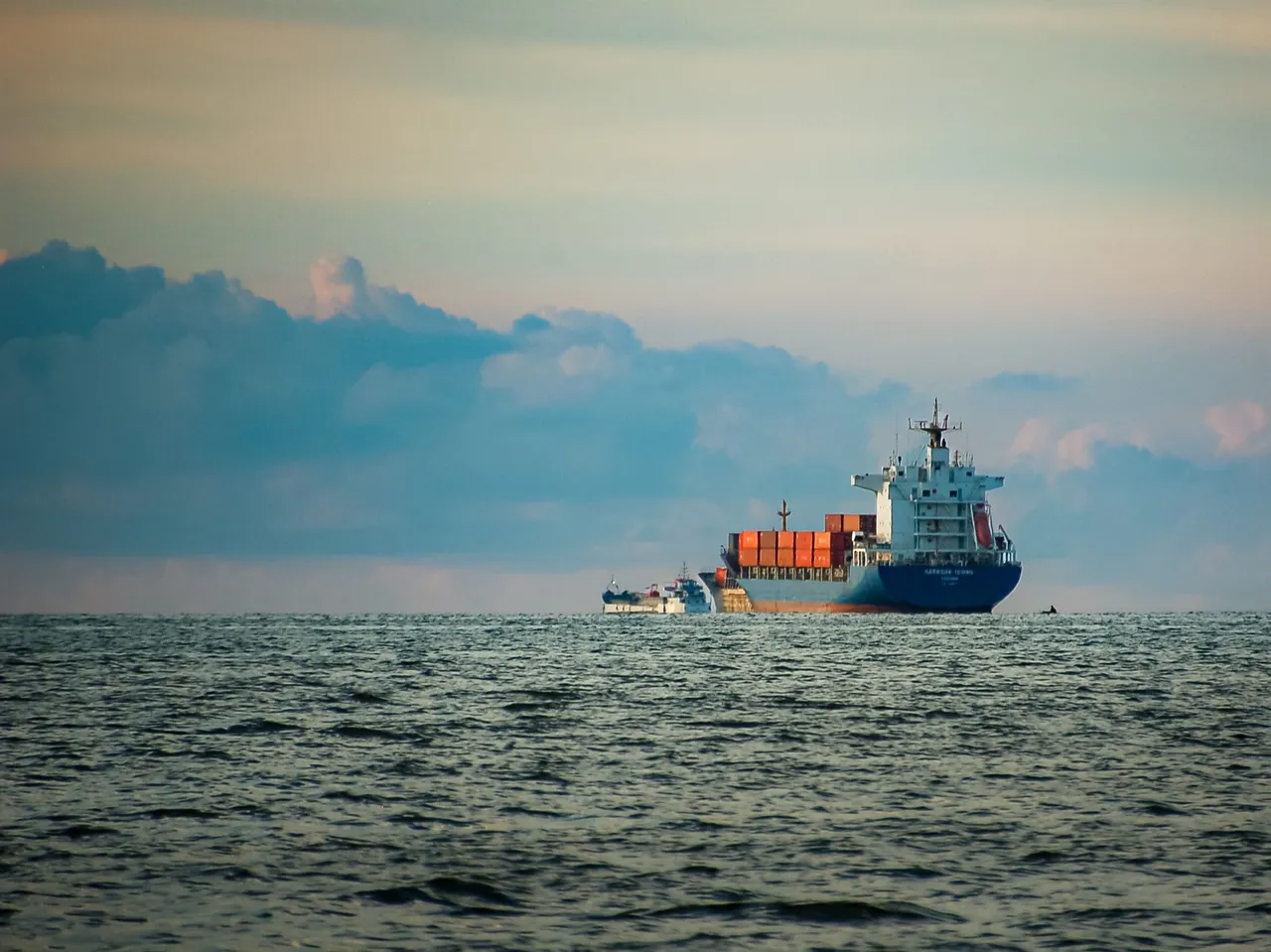
Shipping from China to Saudi Arabia has just entered one of its most turbulent weeks since the regional crisis began. Between 9 and 11 September 2026, Houthi fighters seized the Red Sea port of Mokha — the first time they have held it since early 2017 — and then moved onto Perim Island (Mayun) in the Bab al-Mandeb Strait, giving them control of Yemen’s entire Red Sea coast. At the same time, Saudi Arabia shut its East–West oil pipeline to the port of Yanbu as a precaution after drone attacks. For importers tracking containers from Chinese factories to Jeddah, Dammam, and Jebel Ali, this is not a distant headline — it is a direct rewrite of the risk map.
This article summarises what exactly happened, how oil markets and carriers reacted, and what it practically means for the cost and scheduling of shipping from China to Saudi Arabia and the wider GCC in the coming weeks.
What exactly happened between 9 and 11 September 2026?
The fall of Mokha
In the early hours of Thursday 10 September, Houthi fighters entered the coastal town of Mokha after pro-government forces withdrew under heavy pressure. Mokha is a historic Red Sea port barely 50 kilometres from Bab al-Mandeb, and the last time the group held it was in early 2017.
Perim Island falls — and the whole coast changes hands
The following day, Friday 11 September, Yemeni government sources and witnesses confirmed that the Houthis had captured Perim Island (also known as Mayun) in the Bab al-Mandeb Strait, with reports that Zuqar Island had also fallen. With this advance, the Houthis now control Yemen’s entire Red Sea coastline, from Hodeidah in the north to Mokha in the south.
Saudi Arabia shuts the East–West pipeline
In parallel with the coastal offensive, Saudi Arabia’s energy ministry announced the precautionary shutdown of the East–West pipeline (Petroline), which carries crude from the Eastern Province to Yanbu on the Red Sea, following drone attacks on oil facilities. Saudi Arabia and Iraq stated that the attacks originated from Iraqi territory, though responsibility remained unclear. A Saudi-led coalition carried out air strikes on Houthi-held areas, while the Houthis launched missiles and drones at cities and oil facilities in southern Saudi Arabia. Saudi Crown Prince Mohammed bin Salman reportedly called the US president twice on 11 September.
Why Bab al-Mandeb matters to the global economy
Bab al-Mandeb is the southern gateway to the Red Sea, and the normal Suez route through it carries close to 12 per cent of globally traded goods by sea. Since late 2023 it has been the decisive factor in the global shipping crisis, when Houthi attacks forced carriers to divert around the Cape of Good Hope, adding 10 to 14 days to Asia–Europe voyages.
Its added importance today is that Bab al-Mandeb had become the last remaining outlet for Saudi oil exports after the US–Iran war effectively closed the Strait of Hormuz, through which about one-fifth of global energy shipments moved. As we documented in our Red Sea shipping crisis and Hormuz Strait transit risk analyses, GCC importers now sit between two chokepoints: one under Iranian pressure in the east, and one now under complete Houthi field control in the west.
How markets reacted immediately
Oil back above 100 USD
Oil prices jumped as soon as Mokha fell. Brent crude climbed above 105 USD per barrel in the immediate aftermath, and prices closed the week above 100 USD for the first time since mid-May. US average diesel prices surpassed six USD per gallon. Why does this matter for your shipment? Because fuel is one of the largest components of ocean freight cost, and oil above this level has historically been followed by emergency bunker surcharges on freight invoices within weeks.
Saudi seaborne oil exports collapse
According to the International Energy Agency, Red Sea oil loadings fell from 3.8 million barrels per day to 2.2 million barrels per day in August, while total Saudi supply dropped by 2.3 million barrels per day to six million — the lowest in three decades. Saudi tankers have turned northwest from Yanbu through the Suez Canal instead of southeast through Bab al-Mandeb, and very large crude carriers too big for the canal now offload at Egypt’s Ain Sokhna and move through the Sumed pipeline to Sidi Kerir.
What does this mean for your China–GCC shipments?
China–Saudi Arabia freight rates have already jumped
According to Oslo-based freight intelligence company Xeneta, the cost of shipping between China and Saudi Arabia has risen 37 per cent since the end of July 2026 and is now two and a half times what it was in February. That is before the latest pipeline shutdown and escalation have fully fed through into pricing — meaning the upward wave may not have peaked yet. For a detailed breakdown of how these prices are built, see our shipping cost from China to Saudi Arabia guide.
The Suez return could reverse suddenly
Only days ago the signals were positive: Maersk adjusted two services (AE15 and AE19) back through the Suez Canal on 9–11 September, and ultra-large container vessels operated by MSC and CMA CGM — including ships above 24,000 TEU — had transited the strait. The Suez Canal Authority even announced a 90-day 15 per cent transit-fee discount for large container ships. But full Houthi control of the Bab al-Mandeb chokepoint means this fragile recovery could flip at any moment if attacks resume or the targeting list widens, echoing the fragility we described in our Houthi maritime embargo on Saudi Arabia analysis.
Container shipping remains selective
Shipping data shows that tankers and bulk carriers are still passing through the strait at a workable pace, but the major container lines remain hesitant, diverting most services around the Cape of Good Hope. In short: ships present in Bab al-Mandeb does not mean the corridor is back to normal, and any container vessel transiting the Red Sea today does so with extreme caution and higher insurance conditions.
Who is most exposed in the GCC?
| Port / corridor | Exposure | Practical assessment |
|---|---|---|
| Jeddah & Yanbu (Red Sea) | High and direct: proximity to the strait and Saudi shipping affected | Volatile rates and delays; watch sailing cut-offs closely |
| Dammam & King Abdullah Port | Indirect exposure via Hormuz and insurance costs | A useful alternative gateway for some cargo |
| Jebel Ali & Fujairah (UAE) | Relatively stable; Fujairah sits outside Hormuz | Flexible consolidation and re-export hub for the GCC |
| Air freight to Riyadh & Jeddah | Benefits from shifting sea demand | Costlier but protects urgent cargo schedules |
A practical playbook for importers
- Book early and lock your rate: with prices up 37 per cent in six weeks, fixed pricing in your shipping contract matters more than ever. DDP door-to-door shipping gives you an all-inclusive quote covering freight and customs clearance, so there are no surprises.
- Balance Jeddah against Dammam: if your final destination is the western region, compare late arrivals into Jeddah with arrival at Dammam plus inland trucking — the longer sea leg is sometimes faster overall.
- Use Jebel Ali and Fujairah as distribution hubs: consolidating shipments in Dubai and distributing overland into Saudi Arabia gives you flexibility when one corridor is disrupted — especially as Fujairah Port sits just outside the Strait of Hormuz.
- Review your cargo insurance: make sure your policy covers war and disturbance risks under updated terms, particularly after the recent controversy over maritime insurance clauses in the region.
- Plan urgent cargo by air: if delays cost you penalties or lost sales, air freight from China to Saudi Arabia is worth recalculating given sea schedule volatility.
- Build inventory before the next crunch: with China’s Golden Week holiday approaching in October, factory pressure is coinciding with rate volatility — a combination that historically pushes prices up. Review our China Golden Week shipping guide to schedule your shipments.
The outlook
The Houthis have declared navigation in the Red Sea safe for all vessels except Saudi-linked ones and denied any intention to charge transit fees. But complete field control of the strait gives them unprecedented leverage, and similar reassurances have preceded direct attacks before. On the other side, Gulf foreign ministers are reportedly preparing meetings with Iran’s foreign minister to stabilise the Strait of Hormuz, meaning both de-escalation and further escalation are live possibilities in the coming weeks.
What can be said with confidence is that flexibility is no longer a luxury: the importer with alternative routes, ports, and locked-in pricing is the only one who can move cargo from China to the GCC without major surprises.
Get a stable shipping plan today
The GCC Freight team in Shenzhen monitors Red Sea and Bab al-Mandeb developments daily and adjusts routing for our clients accordingly. Whether your cargo is bound for Jeddah, Dammam, or Jebel Ali, we provide fixed all-inclusive pricing, customs clearance, and cargo insurance.
- WhatsApp: Get a quote now