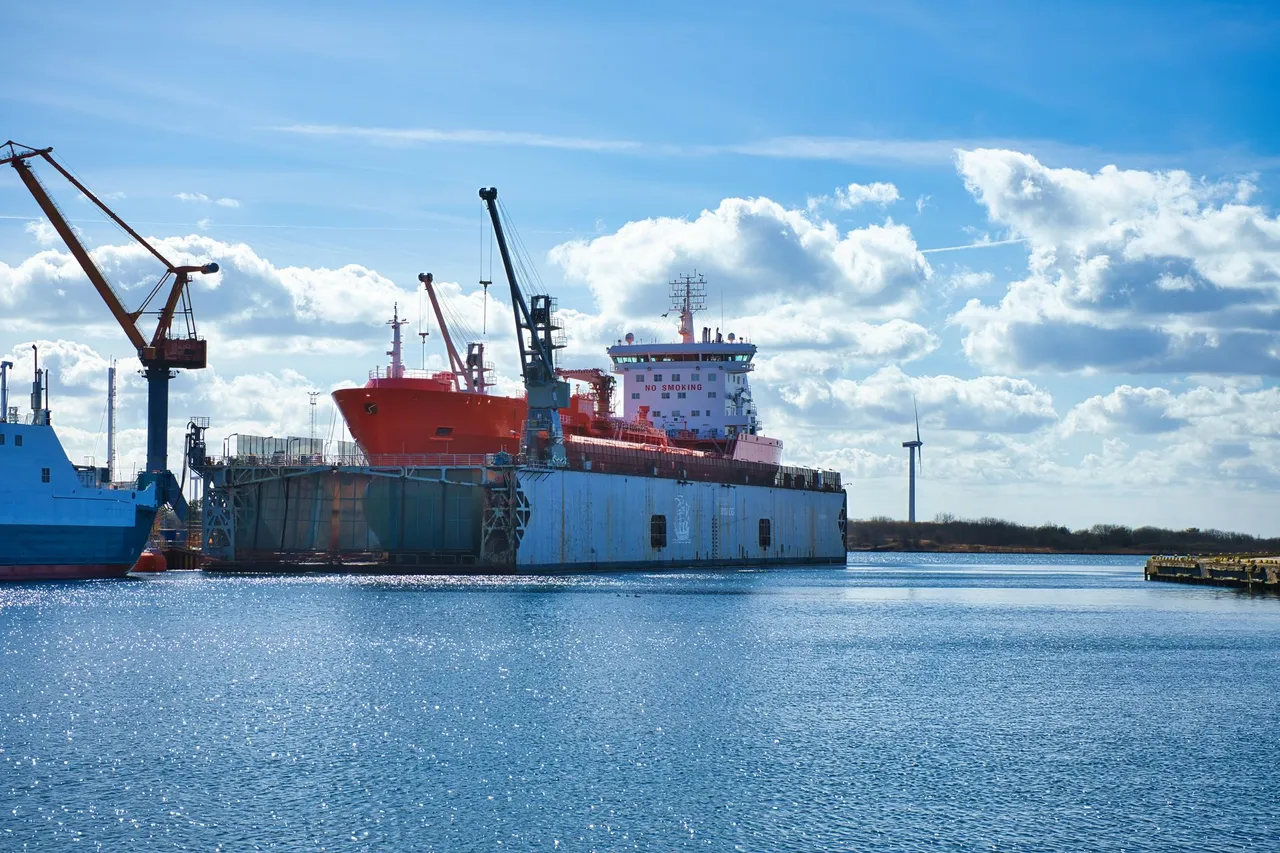
On 18 August 2026, Reuters reported that two Chinese state-controlled shipping giants — COSCO Shipping Energy Transportation and China Merchants Energy Shipping (CMES) — have stopped sending their oil tankers through the Strait of Hormuz and the Bab el-Mandeb strait. Instead, their VLCCs are collecting Middle Eastern crude via ship-to-ship (STS) transfers off Fujairah in the UAE and at anchorages near Omani ports. If you manage shipping routes from China to GCC destinations such as Saudi Arabia, the UAE or Oman, this development is not just an oil-market story. It is a fresh signal that the region’s main chokepoints remain unstable and that the workaround logistics are concentrating around the same bypass hubs your container cargo may already be using.
The two operators together control more than 100 very large crude carriers and, before the conflict, handled roughly half of China’s crude imports from the Middle East. Their decision to avoid both Hormuz and Bab el-Mandeb came after communications with Chinese central authorities, according to industry sources, and has been visible in tanker-tracking data since late July. Vortexa and Kpler data show China- and Hong Kong-linked vessels conducting STS transfers in the Gulf of Oman at rates exceeding 600,000 barrels per day in June and July, compared with virtually none in April and May.
Why Chinese state tankers are leaving the chokepoints
Three factors appear to be driving the shift.
1. Strait of Hormuz is effectively closed to mainstream shipping
Since the IRGC announced the strait’s closure on 2 March 2026, traffic has collapsed. According to Kpler and Lloyd’s data cited in recent reports, daily crossings have fallen from more than 100 vessels to about five, with nearly 70% of recorded transits either going dark or taking unclassified routes. For state-controlled shippers that rely on mainstream insurers and international counterparties, the legal, insurance and sanctions exposure of entering the strait has become too high.
2. Bab el-Mandeb is also being avoided
Yemen’s Houthis declared a maritime embargo against Saudi Arabia on 20 July and have continued attacks on commercial vessels. Even Chinese-linked tankers that had entered the Red Sea to load Saudi crude at Yanbu have been observed turning north through the Suez Canal empty to load at Egypt’s Mediterranean Sidi Kerir terminal rather than risk the southern Red Sea exit. This mirrors the wider Red Sea and Bab el-Mandeb disruption already affecting container lines.
3. Insurance and counterparty risk
Unlike smaller or sanctions-tolerant operators, COSCO and CMES must protect relationships with mainstream insurers, classification societies and charterers. After the Lloyd’s Market Association issued guidance that paying certain Hormuz transit fees could void war-risk cover, the logical response for these fleets was to stop entering the risk zone entirely. We covered that insurance catch-22 in our Lloyd’s Market Association clause article.
What the Fujairah and Oman STS model looks like
Ship-to-ship transfer means a smaller or shuttle vessel carries the cargo through the dangerous leg of the journey, then offloads it to a larger VLCC waiting in safer waters outside the strait. For Chinese buyers, the main collection points are now:
- Fujairah, UAE: the east-coast port outside the Strait of Hormuz that has already emerged as a key bypass hub.
- Omani anchorages: waters off Sohar and other Omani ports on the Gulf of Oman side.
- Sidi Kerir, Egypt: a Mediterranean loading point reached via the Suez Canal, used when Red Sea exits are blocked.
Reuters reported that about two dozen COSCO and CMES VLCCs are scheduled to load outside the Gulf between August and mid-September, mainly near Fujairah and Oman. Daily freight on the Oman-China route has reached roughly USD 140,000, with estimated margins of about USD 110,000 per tanker per day, compared with USD 30,000-40,000 before the war.
| Shift | Before the conflict | Current workaround |
|---|---|---|
| Loading point | Inside Gulf terminals | Fujairah / Oman / Sidi Kerir |
| Main chokepoints used | Strait of Hormuz and Bab el-Mandeb | Avoided by Chinese VLCCs |
| Daily VLCC margin | USD 30,000-40,000 | Around USD 110,000 |
| Risk allocation | Buyer picks up at Gulf terminal | Producer or shuttle vessel crosses the strait |
| Impact on China-bound crude | Direct short-haul route | Longer voyages, more vessel days, higher cost |
Why this matters for container shipping from China to the GCC
VLCCs do not carry containers, but the same chokepoints and bypass logic shape the container market. When the biggest state oil fleets decide that Hormuz and Bab el-Mandeb are no longer passable, the message to container carriers is clear: the region’s maritime risk is structural, not temporary.
1. Fujairah and Oman are absorbing more regional cargo flow
We noted in our Fujairah Port guide that the port was becoming an alternative to Jebel Ali for bypassing Hormuz. The Chinese VLCC shift adds oil-tanker traffic, STS operations, port congestion and competition for anchorage space to the same stretch of water. If your container line is already considering a feeder call at Fujairah or Sohar instead of a direct Hormuz transit, it will now share those hubs with a growing crude-transfer network.
2. Insurance premiums and war-risk surcharges stay elevated
The fact that COSCO and CMES — among the most creditworthy fleets in the world — cannot obtain acceptable cover for Hormuz transits tells insurers that the risk is systemic. War-risk premiums for container vessels are priced off the same market data. As long as the chokepoints are treated as no-go zones for mainstream shipping, surcharges will remain built into China-GCC freight rates.
3. Longer voyages consume vessel capacity
Avoiding Hormuz and Bab el-Mandeb means longer routes, more sailing days and lower vessel utilization. The same applies to container services. Fewer round trips per quarter tighten capacity and support higher rates, even when underlying demand is flat.
4. Producer-side delivery is becoming the norm
Saudi Aramco and ADNOC have reportedly started offering crude to Asian buyers via STS transfers outside the strait, taking responsibility for the dangerous first leg. This same pattern could appear in container logistics: carriers or forwarders may increasingly pre-position inventory in safe hubs and complete final delivery with short-haul feeders, changing how DDP supply chains are structured.
Impact by GCC destination
UAE
Fujairah is the clearest winner — and the clearest congestion risk. More STS activity means more anchor demand, more shuttle traffic and greater pressure on pilotage and port services. At the same time, the UAE’s east-coast location makes it the natural staging point for cargo that would otherwise transit Hormuz. If your supply chain relies on shipping from China to UAE, expect carriers to route more services through Fujairah or Jebel Ali with extended feeder legs.
Oman
Sohar sits just outside Hormuz and is already receiving additional feeder traffic. Salalah on the Arabian Sea avoids the strait entirely. Oman is becoming the key intermediate hub for both oil and container workarounds. Our Container Shipping from China to Oman guide explains current port conditions in detail.
Saudi Arabia
Saudi crude is still moving to China, but increasingly via STS transfers off Fujairah or longer Cape/Suez routes. For container cargo, the combination of the Houthi maritime embargo and the Hormuz closure leaves both the Red Sea and the Gulf routes exposed. Shippers using shipping from China to Saudi Arabia should plan for longer lead times and consider Dubai or Oman staging.
Qatar, Kuwait and Bahrain
These markets depend heavily on transshipment through Jebel Ali and, increasingly, on feeder services from Oman or Fujairah. Any congestion at those bypass hubs ripples quickly into Doha, Kuwait City and Manama. Direct sailings remain limited, so advance booking and consolidation are essential.
What shippers should do now
-
Treat Hormuz and Bab el-Mandeb as prolonged risks The COSCO/CMES decision is a structural market signal, not a short-term diversion. Plan for continued disruption.
-
Add 10-20 days to China-GCC lead times Whether the delay comes from rerouting, STS-style feeder arrangements or port congestion, buffer stock is cheaper than stockouts.
-
Book FCL and LCL space 3-4 weeks ahead With fewer reliable sailings, last-minute bookings are expensive and often unavailable. Secure sea freight space early.
-
Confirm war-risk insurance wording Ask whether the policy covers the corridor in use and whether paying any transit fee would void cover.
-
Use Fujairah, Sohar or Salalah staging Pre-positioning inventory outside the immediate chokepoint reduces the chance that every shipment hits the same bottleneck.
-
Split urgent cargo to air freight For high-value or time-critical goods, air freight from China to GCC avoids both Hormuz and Bab el-Mandeb.
-
Review DDP contract terms Make sure demurrage, detention, force majeure and insurance responsibilities are clearly assigned. A reliable DDP forwarder should absorb these risks.
Frequently asked questions
Why are Chinese state tankers avoiding Hormuz if they are not targeted directly? The risk is not just direct attack. Mainstream insurers, war-risk clauses and international counterparties make the legal and financial exposure unacceptable for state-controlled fleets.
Does this affect container shipping to the GCC? Yes. The same chokepoints, insurance market and bypass hubs are used by container services. Higher risk and congestion at Fujairah/Oman spill over into container logistics.
Is Fujairah now the main alternative to Jebel Ali? Fujairah is becoming a major bypass hub for both oil and container traffic, but capacity is limited. It is an alternative, not a seamless replacement.
Will freight rates from China to the GCC keep rising? As long as the chokepoints remain unstable and vessel utilization stays tight, war-risk premiums and congestion costs will keep upward pressure on rates.
What is ship-to-ship (STS) transfer? STS is the transfer of cargo from one vessel to another while both are at anchor or underway. It lets a large vessel wait in safer waters while a smaller vessel handles the dangerous leg.
How GCC Freight is responding
At GCC Freight we treat each sailing week as a fresh risk decision. Our operations team is currently:
- Monitoring advisories from UKMTO, IMO and flag states daily;
- Selecting the most stable corridor and carrier option for each FCL/LCL booking;
- Offering Fujairah, Sohar and Salalah staging when direct Hormuz or Bab el-Mandeb transit is disrupted;
- Providing sea-air combinations via Oman or the UAE for urgent cargo;
- Confirming war-risk cover and transit-fee wording before every movement;
- Handling customs clearance, SABER and ESMA documentation so cargo does not sit after arrival.
If you have cargo on the water or are planning the next shipment, now is the time to review routing, insurance and lead times with a forwarder that understands both the Chinese export side and the GCC import side.
Get a China-GCC shipping plan that accounts for the latest chokepoint risk
- WhatsApp: Get a quote now