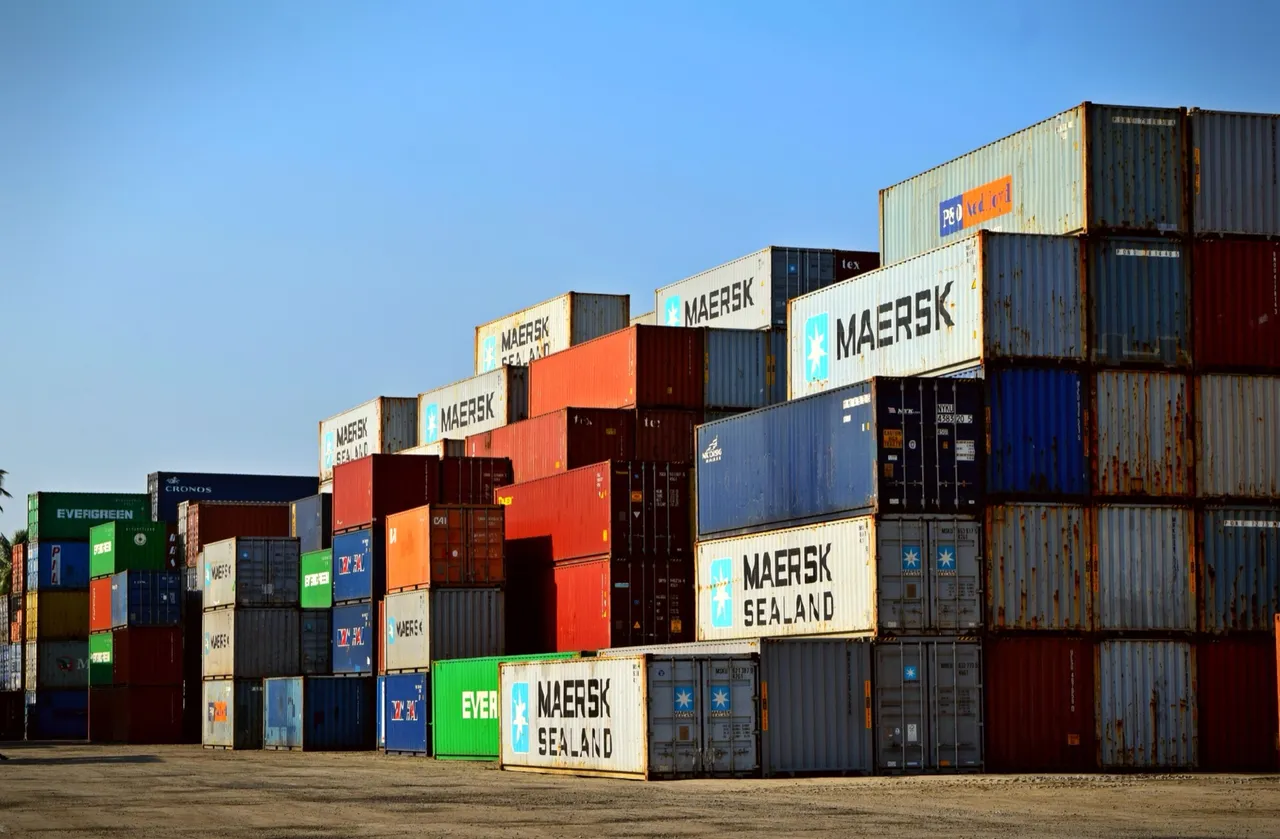
Container Shipping from China to Saudi Arabia is the backbone of the trade lane: over 90% of the goods flowing from Chinese factories to the Saudi market — furniture, building materials, electronics, machinery, textiles — moves inside 20ft and 40ft containers. Whether you are a first-time importer in Riyadh or a seasoned buyer consolidating multiple suppliers in Guangzhou, understanding how container shipping really works is the difference between a predictable landed cost and a budget blown apart by detention fees and port storage charges.
In this 2026 guide, we walk through the full container journey: choosing the right box, packing it to the last cubic meter, picking the right Saudi port, clearing customs without delays, and getting your container trucked to its final destination.
New to this trade lane? Start with our dedicated Shipping from China to Saudi Arabia route page for port details, sailing schedules, and a same-day quote.
Why Containers Dominate the China–Saudi Trade Lane
Saudi Arabia is China’s largest trading partner in the Gulf, and Vision 2030 construction megaprojects keep demand for imported materials at record levels. Containers win this market for three reasons:
- Cost efficiency: A 40ft high-cube container moving 67 CBM of furniture costs a fraction of what air freight would charge for even one cubic meter.
- Security: One factory seal protects your cargo from the supplier’s loading dock in China to your warehouse door in Saudi Arabia.
- Frequency: Weekly sailings from Shenzhen, Guangzhou, Ningbo, and Shanghai to Jeddah and Dammam mean minimal waiting for vessel space.
Our Sea Freight from China to Saudi Arabia, UAE & GCC service covers the full journey — FCL, LCL consolidation, DDP customs clearance, and inland delivery.
Step 1: Choose the Right Container
Not all containers are the same. Picking the wrong size either wastes money on empty space or forces a second shipment.
| Container Type | Internal Dimensions | Usable Capacity | Max Payload | Best For |
|---|---|---|---|---|
| 20GP | 5.9 × 2.35 × 2.39 m | 28–33 CBM | ~21.7 t | Heavy, dense cargo: tiles, stone, metal parts, machinery |
| 40GP | 12.03 × 2.35 × 2.39 m | 56–58 CBM | ~26.5 t | Palletized goods, mixed cartons, auto parts |
| 40HQ | 12.03 × 2.35 × 2.69 m | 67–68 CBM | ~26.5 t | Light, bulky cargo: furniture, electronics, textiles |
| 45HQ | 13.55 × 2.35 × 2.69 m | 76–78 CBM | ~27.7 t | Maximum-volume loads for light goods |
Special containers for special cargo
- Reefer (refrigerated): Frozen and chilled food, pharmaceuticals. Requires pre-cooling and continuous power plug-in at the terminal.
- Open-top: Machinery or cargo taller than the container walls, loaded by crane from above.
- Flat-rack: Oversize project cargo — transformers, construction equipment, boats.
- Ventilated: Goods that sweat in transit, such as certain chemicals and agricultural products.
If you are unsure which box fits your shipment, our Sea Freight Shipping from China to Saudi Arabia guide covers the FCL vs LCL decision in detail.
Step 2: Optimize Every Cubic Meter
The 15 CBM rule is the most useful number in container shipping: below roughly 15 CBM, LCL (shared container) is usually cheaper; above it, a full 20GP typically wins on both price and safety.
Practical packing tips:
- Request palletized, stackable cartons from your supplier. Irregular shapes can waste 15–20% of usable space.
- Distribute weight evenly. Heavy cargo on the bottom and along the walls; never concentrate all weight on one side — Saudi terminals will reject or re-stow poorly balanced containers.
- Use a loading plan for mixed SKUs. A simple floor plan of the container interior prevents the “last pallet doesn’t fit” problem.
- Protect against moisture: Red Sea humidity is brutal on a 20-day voyage. Desiccant bags (container-grade, 1 kg per 10 CBM minimum) plus proper carton wrapping prevent mold and corrosion claims.
- Photograph everything: Empty container, half-loaded, fully loaded, sealed doors. This is your evidence if a damage claim arises.
Step 3: Understand 2026 Container Rates
Rates move weekly with capacity and fuel costs, but here are the working baselines for the China–Saudi lane in 2026:
| Shipping Mode | 2026 Baseline Range | Notes |
|---|---|---|
| 20GP FCL (full container) | 1,500–2,500 USD | Best per-CBM value for heavy cargo |
| 40GP FCL | 2,200–3,000 USD | Standard choice for palletized goods |
| 40HQ FCL | 2,500–3,800 USD | Extra 10 CBM vs 40GP for bulky cargo |
| LCL (per CBM) | 60–120 USD | Add 2–3 days for consolidation/deconsolidation |
| Air freight | 3.5–6 USD/kg | For urgent, high-value, light cargo |
These are port-to-port freight rates. Your landed cost also includes origin charges in China, Saudi customs duties and VAT, terminal handling, and inland trucking. Our Shipping Cost from China to Saudi Arabia guide breaks down every line item so nothing surprises you.
Step 4: Pick the Right Saudi Port
Saudi Arabia has three container gateways, and the right choice depends on where your warehouse or project site is:
| Port | Location | FCL Transit from China | Sailing Frequency | Best For |
|---|---|---|---|---|
| Jeddah Islamic Port | Red Sea | 16–20 days | Weekly | Western region, Makkah/Madinah, and the Riyadh inland corridor |
| King Abdullah Port (KAEC) | Red Sea | 15–19 days | ~Every 10 days | Modern terminal, fast truck turnarounds, western region |
| King Abdulaziz Port (Dammam) | Arabian Gulf | 18–22 days | Weekly | Eastern Province, Jubail, and cargo avoiding the Red Sea |
Jeddah is the largest and busiest — plan for occasional congestion during peak season. King Abdullah offers the newest cranes and fastest gate times. Dammam adds two to four days of sailing but puts your container next to the Eastern Province’s industrial zone.
For typical transit-time planning, see our Shipping Time from China to Saudi Arabia transit guide.
Step 5: Clear Customs Without Delays
Saudi customs clearance is where inexperienced importers lose days — and money. Three things matter most:
- SABER certification: Regulated products must hold a valid SABER certificate before arrival. Certificates that don’t match the shipped HS codes or product models will be rejected. Our SABER Certificate Saudi Arabia: Complete Guide explains the full process.
- Accurate documentation: Commercial invoice, packing list, bill of lading, and certificate of origin must all agree — mismatched weights or descriptions trigger physical inspections.
- Advance declaration: Declaring through the FASAH platform before vessel arrival keeps you eligible for faster release. Importers with clean records can qualify for the 2-hour green channel described in our Saudi Customs Clearance guide.
Demurrage and detention: the silent budget killers
- Demurrage: charged when your container stays inside the port beyond the free days (typically 5–7 days for Saudi ports).
- Detention: charged when you hold the shipping line’s container outside the port beyond the free period.
A single container sitting 10 extra days can generate fees approaching the original ocean freight. The fix: have your customs broker, delivery truck, and unloading crew booked before the vessel arrives — not after.
Step 6: Inland Delivery to Riyadh and Beyond
Most containers don’t end at the port. From Jeddah, Riyadh is roughly 950 km by road (12–14 hours of driving); from Dammam, about 400 km (5–6 hours). We arrange bonded trucking with experienced drivers who know the port gate procedures, so your container clears the terminal and rolls toward your warehouse without idle days. For importers without a Saudi import license, our DDP service handles duties, VAT, and delivery as one package.
Cost-Control Checklist Before You Book
- ✅ Confirm your cargo volume in CBM and weight — then pick 20GP, 40GP, or 40HQ
- ✅ Cross the 15 CBM threshold before choosing LCL over FCL
- ✅ Verify SABER certificates match your products and HS codes before loading
- ✅ Book customs clearance and inland trucking before vessel arrival
- ✅ Track free days for demurrage/detention on your bill of lading
- ✅ Pay in SAR, AED, or CNY to avoid currency conversion losses
Get Your Container Moving
Whether you are shipping one 20GP of tiles or a monthly 40HQ program from multiple Chinese suppliers, we handle the full chain: pickup, consolidation, ocean freight, SABER support, DDP customs clearance, and delivery to your Saudi warehouse.
- WhatsApp: Get a container shipping quote now