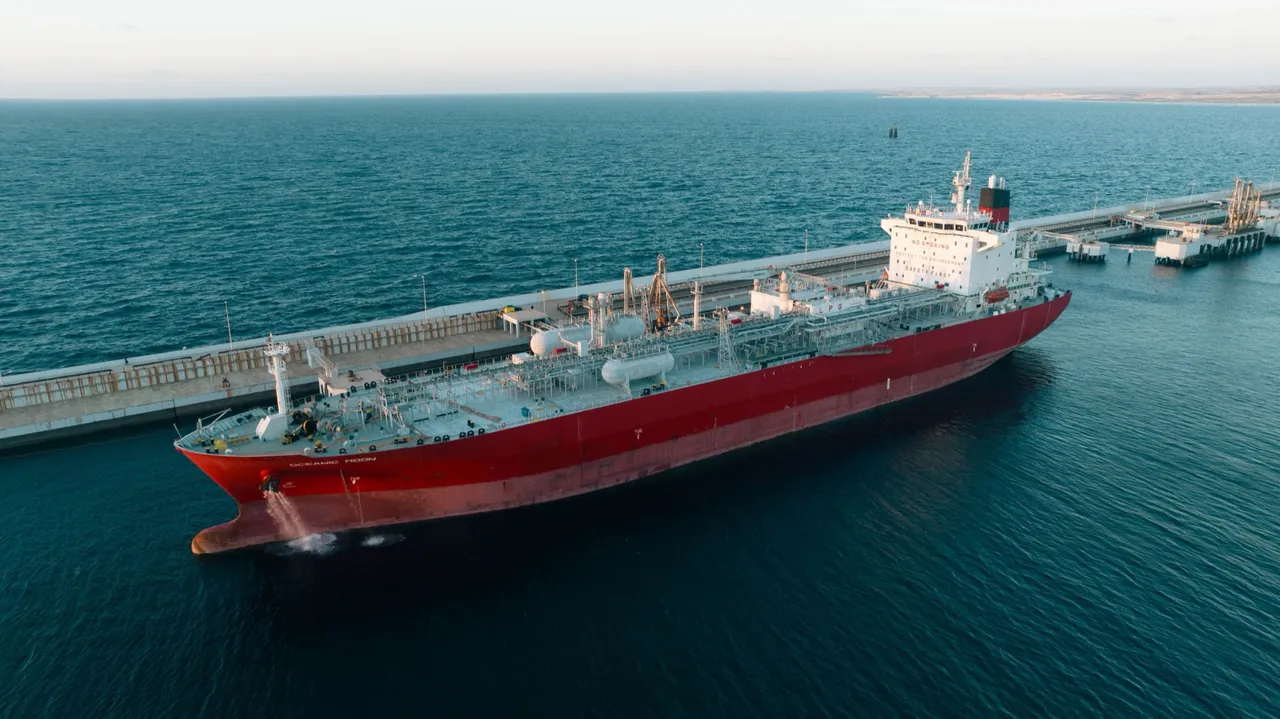
If you are importing furniture, building materials, electronics, or machinery from China, Sea Freight Shipping from China to Saudi Arabia is almost certainly how your cargo will travel. Saudi Arabia is China’s largest trading partner in the Gulf, and ocean freight carries the vast majority of that trade into Jeddah Islamic Port, King Abdullah Port, and Dammam’s King Abdulaziz Port.
In this 2026 guide, we explain everything a Saudi importer needs to know before booking: how to choose between FCL and LCL, what container rates look like this year, how long each route takes, which documents and certifications are mandatory, and how to avoid the hidden destination charges that quietly inflate many importers’ bills.
Planning your first shipment? Start with our dedicated Shipping from China to Saudi Arabia route page for port details, sailing schedules, and a same-day quote.
Why Sea Freight Dominates the China–Saudi Trade Lane
The trade relationship between China and Saudi Arabia has grown dramatically under Vision 2030, with construction materials, furniture, consumer electronics, and industrial equipment leading import categories. For all of these cargo types, sea freight wins on three fronts:
- Cost: An 80–90% saving over air freight for anything above a few hundred kilograms.
- Capacity: A single 40ft high-cube container carries up to 76 CBM — impossible to match by air at a sensible price.
- Cargo suitability: Tiles, stone, machinery, and production lines are either too heavy or too bulky for air freight.
Weekly sailings from Shenzhen, Guangzhou, Ningbo, and Shanghai to Jeddah and Dammam mean you rarely wait more than a few days for a vessel, and our Sea Freight from China to Saudi Arabia, UAE & GCC service covers both full containers and shared LCL space with DDP customs clearance.
FCL vs LCL: Which One Fits Your Shipment?
Every importer faces the same first decision: book a full container (FCL) or share one (LCL)?
FCL (Full Container Load)
You rent the entire container. It is sealed at your supplier’s factory in China and opened only at your warehouse in Riyadh, Jeddah, or Dammam.
| Container Type | Internal Dimensions | Capacity | Payload | Best For |
|---|---|---|---|---|
| 20GP | 5.9 × 2.35 × 2.39 m | 28–33 CBM | ~21.7 t | Heavy, dense cargo: tiles, stone, metal parts |
| 40GP | 12.03 × 2.35 × 2.39 m | 56–58 CBM | ~26.5 t | Palletized goods, mixed merchandise |
| 40HQ | 12.03 × 2.35 × 2.69 m | 67–68 CBM | ~26.5 t | Light, bulky cargo: furniture, electronics, textiles |
When FCL makes sense:
- ✅ Your cargo exceeds 15 CBM — the per-CBM cost drops sharply
- ✅ Faster: no consolidation or deconsolidation steps
- ✅ More secure: one factory seal protects your goods door to door
- ✅ No handling of other shippers’ cargo
LCL (Less than Container Load)
You pay only for the cubic meters your cargo occupies inside a shared container, measured per CBM (minimum usually 1 CBM).
When LCL makes sense:
- ✅ Shipments of 1–15 CBM — you avoid paying for empty space
- ✅ You can ship small orders frequently instead of waiting to fill a container
- ✅ Ideal for market testing and new product trials
LCL trade-offs: add 2–4 days for consolidation and deconsolidation, plus per-CBM handling fees at both ends. For dense, heavy cargo, note that LCL is billed at 1 CBM per ton when weight exceeds volume.
2026 Container Shipping Rates: China to Saudi Arabia
Rates below are indicative port-to-port ranges for standard dry cargo in 2026. Actual quotes depend on the sailing week, carrier, and surcharges in effect — spot rates spiked sharply during the mid-2026 Red Sea and Hormuz disruptions, so always confirm before booking.
| Route | 20GP (FCL) | 40GP/40HQ (FCL) | LCL per CBM |
|---|---|---|---|
| Shenzhen/Guangzhou → Jeddah | USD 1,500–2,300 | USD 2,500–3,500 | USD 60–120 |
| Shenzhen/Guangzhou → Dammam | USD 1,500–2,300 | USD 2,400–3,400 | USD 60–120 |
| Shanghai/Ningbo → Jeddah | USD 1,600–2,500 | USD 2,800–3,800 | USD 70–130 |
| Shanghai/Ningbo → Dammam | USD 1,600–2,400 | USD 2,600–3,600 | USD 70–130 |
Budget beyond the ocean rate. The freight you pay the carrier is only part of the total. A realistic landed-cost budget also includes:
- Origin charges in China: trucking, export customs, documentation
- Surcharges: BAF (fuel), PSS during peak seasons, and any war-risk contingency fees on Gulf routings
- Destination charges in Saudi Arabia: THC (terminal handling), delivery order fees, and port storage if documents are late
- Customs duty: typically 5–20% depending on HS code, plus 15% VAT calculated on the CIF value plus duty
- Inland delivery from the port to your warehouse (Riyadh is a dry port — containers clear customs inland after arriving by rail or truck)
For a full cost breakdown with real invoice examples, see our dedicated guide on Shipping Cost from China to Saudi Arabia.
Transit Times: How Long Does Sea Freight Take?
From the major Chinese ports to Saudi Arabia’s three gateways (approximate 2026 figures, FCL port-to-port):
| Destination Port | Sea Freight FCL | Sea Freight LCL | Sailing Frequency |
|---|---|---|---|
| Jeddah Islamic Port | 16–20 days | 18–23 days | Weekly |
| King Abdullah Port | 15–19 days | 17–22 days | Every 10 days |
| King Abdulaziz Port (Dammam) | 18–22 days | 20–25 days | Weekly |
Departure port matters: South China (Shenzhen, Guangzhou) is fastest to the Red Sea ports, while East China (Shanghai, Ningbo) offers the most direct connections to Dammam. Add 1–3 days for Saudi customs clearance and 2–5 days for inland delivery to Riyadh or other inland cities. For a deeper look at schedules and seasonal delays, read our Shipping Time from China to Saudi Arabia guide.
Which Chinese Departure Ports Should You Use?
- Shenzhen — the best consolidation point for the Pearl River Delta industrial zone (electronics, furniture, building materials). Our headquarters and consolidation warehouse are here.
- Guangzhou — ideal for furniture, textiles, and wholesale-market purchases.
- Ningbo — the Zhejiang industrial region (appliances, machinery, hardware).
- Shanghai — the world’s largest port, with the widest range of direct sailings.
We also collect cargo from Xiamen, Tianjin, Qingdao, Dalian, and virtually any other Chinese city through our supplier network.
Saudi Customs: SABER Is Not Optional
The single biggest cause of delayed or rejected shipments to Saudi Arabia is missing SABER certification. SABER is the Saudi electronic conformity assessment platform operated under SASO (the Saudi Standards, Metrology and Quality Organization). For most regulated products, you need two certificates before shipping:
- Product Certificate (PC) — issued per product category, valid for one year, roughly USD 150–200 per category.
- Shipment Certificate (SC) — issued per consignment, roughly USD 100–150 per shipment.
Without a valid SC, your container will be held at Jeddah or Dammam — and port storage charges accumulate fast. Electronics may additionally require IECEE recognition, and food, cosmetics, and medical products fall under SFDA rules. Our team handles the entire SABER process with SASO-accredited bodies; learn more in our SABER Certificate Saudi Arabia guide and the 2026 update on SABER certificate changes.
Standard document checklist for Saudi sea freight:
- Commercial Invoice
- Packing List
- Bill of Lading
- Certificate of Origin
- SABER Shipment Certificate (for regulated products)
Route Risks in 2026: Hormuz and the Red Sea
Shipments from China to Saudi Arabia are relatively well positioned compared with Europe-bound cargo: vessels to Dammam enter the Gulf through the Strait of Hormuz, while Jeddah and King Abdullah Port sit on the Red Sea. However, the 2026 disruptions have affected both areas. Carriers have applied war-risk contingency surcharges on selected Gulf routings, and schedules occasionally shift. We monitor the situation continuously and reroute or adjust bookings when needed — see our analysis of Hormuz Strait transit risks and shipping costs for the latest picture.
DDP or DDU? Choosing Your Incoterm
- DDP (Delivered Duty Paid) — we manage everything from the factory door in China to your warehouse in Saudi Arabia, including freight, customs clearance, duty, and VAT. One fixed, all-inclusive price. This is what most of our SME clients choose.
- DDU (Delivered Duty Unpaid) — we deliver to the Saudi port and you clear customs through your own broker. Lower freight cost, but you carry the customs risk and paperwork burden.
If you don’t have a licensed Saudi customs broker and SABER experience in-house, DDP is almost always the safer and ultimately cheaper choice. Not sure whether sea or air fits your timeline? Compare both in our Air vs Sea Freight from China to Saudi Arabia & UAE article.
6 Ways to Cut Your Sea Freight Costs
- Book early in the peak season. The weeks before Ramadan and the September–November pre-holiday rush sell out fast — reserve space 3–4 weeks ahead.
- Consolidate multiple suppliers. Combine orders from several factories into one container at our Shenzhen warehouse instead of paying LCL minimums for each.
- Choose the right container. A 40HQ beats two 20GPs for light, bulky cargo; a 20GP beats a 40GP for heavy, dense cargo hitting payload limits.
- Negotiate on FOB terms. With FOB, your Chinese supplier pays costs up to the vessel, giving you full control of the freight rate.
- Pre-clear documents. Have your SABER SC issued before the vessel arrives — every day of storage at Jeddah or Dammam costs money.
- Ask for an all-in quote. A cheap ocean rate with expensive destination charges is a classic trap. We quote THC, delivery order, and inland delivery upfront.
Frequently Asked Questions
How much does a 20ft container cost from China to Saudi Arabia in 2026? Indicative port-to-port rates range from USD 1,500 to 2,500 depending on origin port, carrier, and surcharges. Request a current quote, as spot rates have been volatile this year.
Is sea freight to Saudi Arabia affected by the Red Sea crisis? Jeddah-bound vessels sail the Red Sea itself, so routing and surcharges can be affected by regional conditions; Dammam-bound cargo enters the Gulf via Hormuz. We monitor both and adjust routings accordingly.
Can I pay in Saudi Riyals? Yes. We accept SAR, UAE dirhams, and Chinese yuan, so you avoid exchange-rate complications.
Do you ship to Riyadh even though it has no seaport? Yes. Containers clear customs at Jeddah or Dammam and move inland by rail or truck to Riyadh Dry Port, with final delivery to your warehouse.
Do you offer cargo consolidation from multiple Chinese suppliers? Yes — we collect goods from suppliers across China and combine them into one shipment at our Shenzhen warehouse, saving you significant LCL fees.
Get Your Saudi Arabia Shipping Quote
Sea freight to Saudi Arabia rewards preparation: the right container choice, a valid SABER certificate, and an all-inclusive quote from a forwarder who knows the Saudi market. We have shipped 10,000+ containers to the Kingdom with a 98% on-time delivery rate.
- WhatsApp: Get a quote now