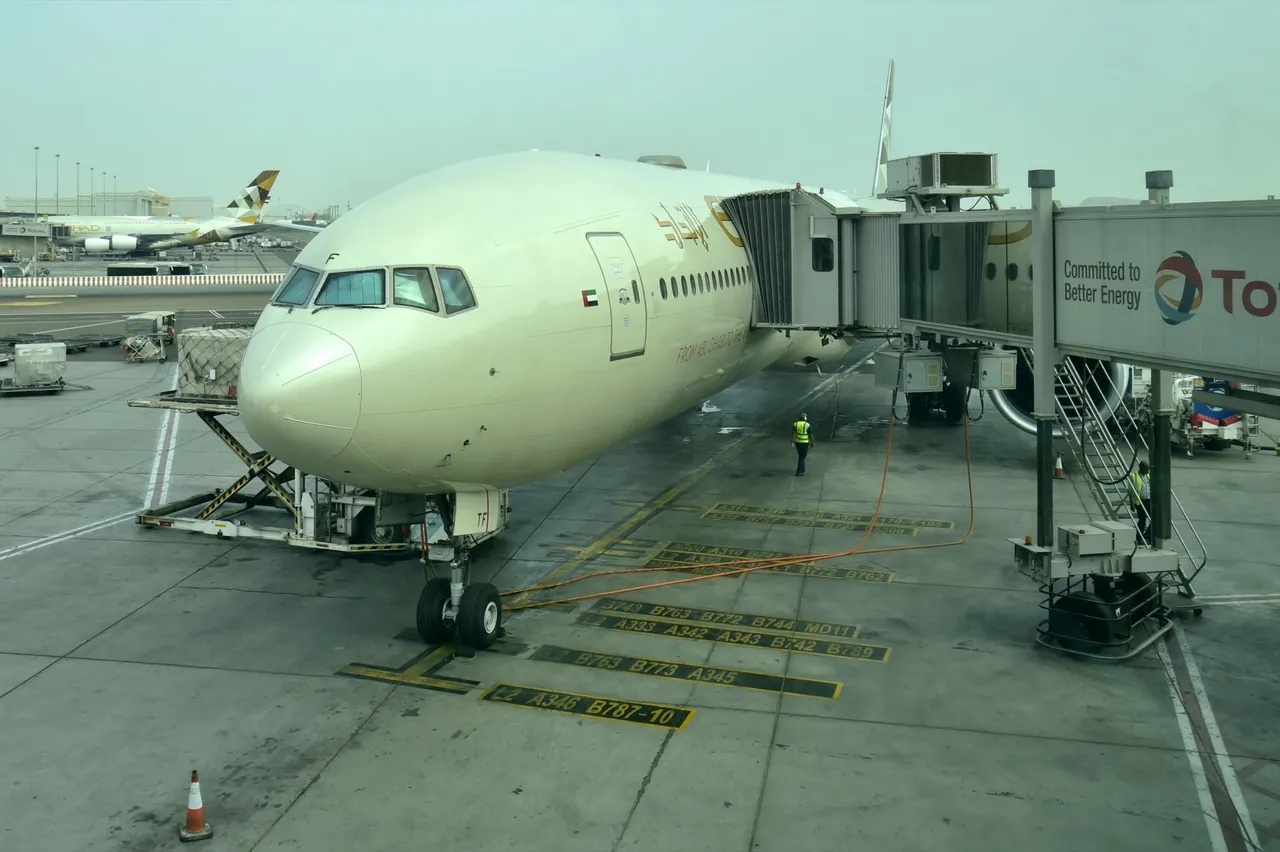
If you have moved urgent cargo from China to the Gulf this year, you already know the problem. Direct air freight works, but you pay for every kilogram at a rate set by a stressed market. As of October 2026, shipping from China to UAE by sea takes roughly 25 to 35 days port to port, while direct air from Shenzhen or Shanghai to Dubai or Riyadh costs USD 4.5–7.0 per kg for general cargo and far more for small or sensitive lots. Between those two options sits a middle path that more GCC importers are using every month: sea-air freight through Dubai.
This guide explains how sea-air works on the China–GCC lane, what it actually costs with current market data, and how to decide whether it fits your next shipment.
Why direct air from China is so expensive right now
Three forces are pushing air rates up at the same time.
First, jet fuel. IATA and Platts data cited by WorldACD put jet fuel prices 111% higher than a year ago, and fuel surcharges now sit on top of almost every air tariff out of China.
Second, capacity. The TAC Index global Baltic Air Freight Index gained another 4.7% in the week to 19 October 2026 and stands 26.4% above last year, already above the peak-season highs of the last two years. Carriers have shifted freighters toward the trans-Pacific, where rates pay better, which tightens space on China–Middle East lanes even when demand there is flat.
Third, season. Golden Week factory closures compress a month of bookings into two weeks, and the October–December retail push keeps load factors high. Our Middle East freight rates surge briefing from September tracked the same pattern: rates soften for a week or two, then snap back the moment space tightens.
The result: direct air remains the right tool for true emergencies, but it is a poor default for routine replenishment. That is where sea-air comes in.
What sea-air freight is, and why Dubai is the hub
Sea-air is simple in concept. Your cargo travels most of the distance by ocean container to a hub port, then flies the last leg on a short-haul freighter or passenger belly-hold flight to its final destination. You pay near-sea rates for most of the journey and air rates only for the final 1,200 km or so.
Dubai dominates this trade for the GCC, for practical reasons:
- Port and airport in one city. Jebel Ali port and Dubai International (DXB), plus Al Maktoum (DWC) cargo airport, sit about 45 minutes apart by bonded truck. No other Gulf city offers that density.
- Flight frequency. DXB and DWC together offer dozens of daily departures to Riyadh, Jeddah, Dammam, Doha, Kuwait, Muscat, and Bahrain. If one flight is full, the next one is hours away.
- Free-zone handling. Cargo can sit in Jebel Ali Free Zone under suspension of duties, then move to the airport for re-export without entering UAE customs territory. No import VAT, no duty, no double clearance.
- Competition. Emirates SkyCargo, flydubai, Saudia, Qatar Airways, and several freighter operators fight for the same regional uplift, which keeps the short-haul air leg cheaper than you would expect.
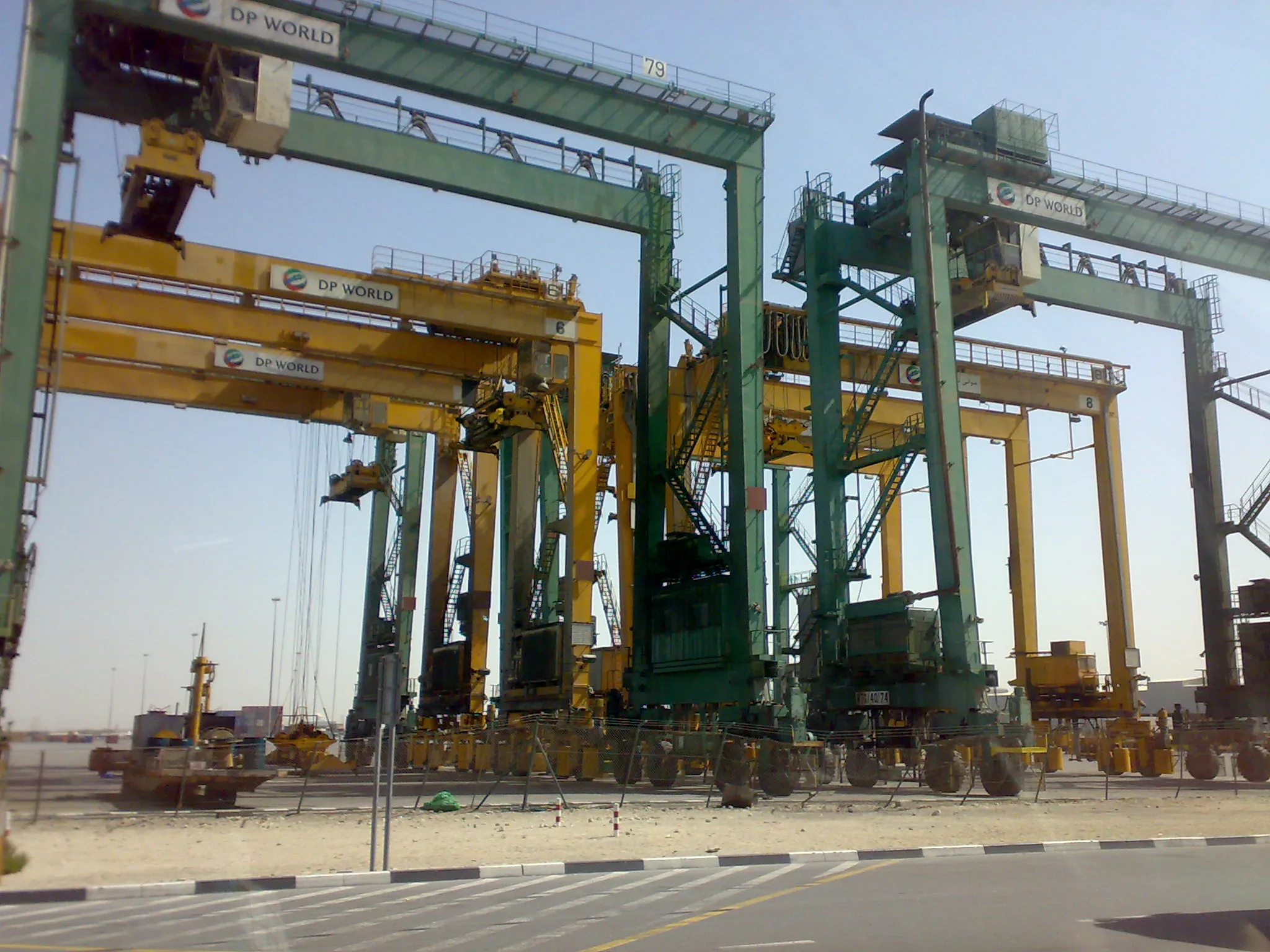
A typical sea-air routing from our Shenzhen warehouse looks like this: weekly sea freight sailing to Jebel Ali (20–28 days port to port, depending on origin), two to three days for discharge, bonded transfer to the airport, uplift to the destination city, then import clearance and delivery (another two to four days). Total door-to-door: 24 to 34 days.
The air leg is short. Dubai to Riyadh is about two hours of flying time, and freighters run the Gulf circuit daily.
The numbers: sea-air vs direct air vs pure sea
The table below uses indicative October 2026 market data for general cargo. Rates move weekly, so treat these as planning figures, not quotes.
| Route / mode | Door-to-door transit | Indicative cost | Best for |
|---|---|---|---|
| Sea FCL, Shenzhen → Jebel Ali | 28–40 days | USD 6,550–7,600 per 20GP; USD 8,150–8,800 per 40HC | Planned inventory, heavy or bulky cargo |
| Sea-air via Dubai → Riyadh | 24–34 days | USD 2.0–3.2 per kg, all-in | Mid-urgency replenishment, 300 kg–8 t lots |
| Direct air, Shenzhen → Dubai / Riyadh | 4–7 days | USD 4.5–7.0 per kg (100 kg and up) | True emergencies, perishables, high-value goods |
Two things stand out. Sea-air lands at roughly 40–60% of the direct-air cost, which matches what rate analysts at Xeneta have measured on Dubai transit routings for years. And it is only about a week slower than pure sea once you account for the faster final leg and quicker customs processing at destination airports.
A worked example
Say you need to move 2,000 kg of consumer electronics accessories (about 12 CBM) from Shenzhen to Riyadh before a promotion.
- Direct air: 2,000 kg × USD 5.5 per kg ≈ USD 11,000, plus pickup and delivery. Total near USD 11,800, arriving in about 6 days.
- Sea-air via Dubai: 2,000 kg × USD 2.6 per kg all-in ≈ USD 5,200, plus AED 500–1,500 (roughly USD 140–410) in Dubai handling and documentation. Total near USD 5,600, arriving in about 30 days.
- Pure sea LCL: cheapest on paper, but at 12 CBM you would pay roughly USD 70–110 per CBM plus destination charges, and you wait 35–45 days.
Sea-air saves about USD 6,000 against air, or roughly 50%, in exchange for three extra weeks. For a promo with a fixed date five weeks out, that trade is easy money. For a line-down spare part, it is the wrong tool entirely.
When sea-air is the right tool, and when it is not
Sea-air earns its keep in a specific band of shipment profiles.
Use it when:
- The goods are ready to ship but the deadline is three to six weeks out, not one week.
- The lot weighs between 300 kg and about 8 tonnes, too heavy for cheap air but too urgent for slow sea.
- You replenish the same SKU every month and can plan one reliable routing instead of chasing spot air rates.
- The cargo value is moderate. Electronics, apparel, spare parts, and promotional goods all fit. So does consolidated cargo for several buyers.
Skip it when:
- The shipment is genuinely urgent. A production line waiting on a USD 200 valve does not care about saving 40%. Send it by air and be done.
- The cargo is perishable, temperature-controlled, or dangerous goods with tight acceptance windows. Every extra handling step adds risk.
- You are shipping a full 40HQ of planned inventory with no time pressure. Pure sea is still the cheapest seat in the house.
- Your supplier cannot guarantee a firm cargo-ready date. Sea-air works on fixed sailing and flight schedules; a two-day slip at origin can cost you a week at the hub.
Our earlier air vs sea freight from China to Saudi Arabia and UAE comparison covers the full decision framework. Sea-air is the third option most importers forget to price.
The pitfalls that eat your savings
Sea-air is not automatic money. Four mistakes kill most of the benefit.
1. Ignoring cutoff times at the hub. A container that discharges on Thursday but misses the Friday bonded-transfer cutoff sits in Jebel Ali over the weekend. Two missed cutoffs turn your 24-day plan into 34 days. Build two buffer days into the schedule, or book a forwarder that controls its own trucking between port and airport.
2. Weak re-export documentation. Sea-air cargo crosses two modes and often two carriers. The ocean bill of lading, the air waybill issued in Dubai, and the certificate of origin must all line up, or UAE customs parks the box. If the cargo ends up entering UAE customs by mistake, you pay 5% duty plus VAT before re-exporting, which erases the savings.
3. Forgetting the surcharges. The short-haul air leg carries its own fuel and security surcharges, and peak-season space on Gulf feeders gets tight. Our guide to PSS, WRS, and redirection surcharges explains how these line items behave. In October and November, budget an extra USD 0.2–0.4 per kg on the air leg.
4. Under-insuring a double-handled shipment. Your cargo gets handled at origin, at the port, at the airport, and at destination. Standard warehouse-to-warehouse cover usually still applies, but confirm the policy names sea-air transit explicitly, with the hub storage period included.
None of these are dealbreakers. They are discipline items, and a forwarder running this corridor weekly handles them as routine.
How GCC Freight runs the China–GCC sea-air corridor
We built this service because our UAE and Saudi customers kept asking for something between our sea freight and air products. The operating pattern is stable now:
- Consolidation at our Shenzhen and Guangzhou warehouses, with export clearance done before the weekly cutoff.
- Weekly sailings to Jebel Ali, with space protected on the FM1/AGX loop and adjacent services. Our Jebel Ali port guide covers why this port matters for Gulf distribution.
- Bonded transfer to DXB or DWC under one house document, so your cargo never enters UAE commerce.
- Daily uplift to Riyadh, Jeddah, Dammam, Doha, Kuwait, Muscat, or Bahrain, followed by our partners’ import clearance and delivery.
- One quote, one tracking thread, one invoice. The ocean leg, the hub handling, the air leg, and the destination charges are priced together, so the rate you approve is the rate you pay.
For Saudi-bound cargo that is not time-critical, we can also substitute the land bridge from Dubai to Riyadh or Dammam for the air leg, which trims another USD 0.3–0.5 per kg on heavy cargo. Ask us to price both versions.
Frequently asked questions
How much cheaper is sea-air than direct air from China to Saudi Arabia? On current rates, 40–60% cheaper all-in. Direct air to Riyadh runs USD 4.5–7.0 per kg for general cargo, while sea-air via Dubai lands at USD 2.0–3.2 per kg door to door.
How long does sea-air from Shenzhen to Riyadh take? Plan for 24 to 34 days door to door: 20–28 days of ocean to Jebel Ali, two to three days of hub transfer, a one-day flight, and two to four days of clearance and delivery in Saudi Arabia.
Do I pay UAE customs duty on sea-air cargo? No, not if the routing is documented as bonded re-export. The cargo stays outside UAE customs territory between the port and the airport. This is exactly why the paperwork has to be right.
Is sea-air reliable during peak season? More reliable than pure air on price, less reliable than pure sea on schedule. The GCC peak season booking guide has the current surcharge picture. Book two to three weeks ahead and the corridor holds; book last-minute and you pay spot rates on the air leg.
Bottom line
Sea-air will not replace direct air, and it will not replace sea freight. It fills the wide, expensive middle: cargo that is too heavy for cheap air and too urgent for slow boats. In a market where jet fuel is up 111% in a year and air rates are setting records before peak season even starts, that middle is worth pricing.
If your next shipment to the GCC falls in the 300 kg–8 t band with a three-to-six-week window, send us the cargo details and we will quote sea-air against direct air and pure sea on the same thread, so you can see the real trade-offs for your cargo, not a generic table.
Want a sea-air quote for your next China–GCC shipment?
- WhatsApp: Get a quote now
Sources: TAC Index Baltic Air Freight data (week to 19 October 2026); WorldACD week 41 2026 market update; published October 2026 rate references for China–UAE and China–Saudi Arabia lanes; GCC Freight corridor data.