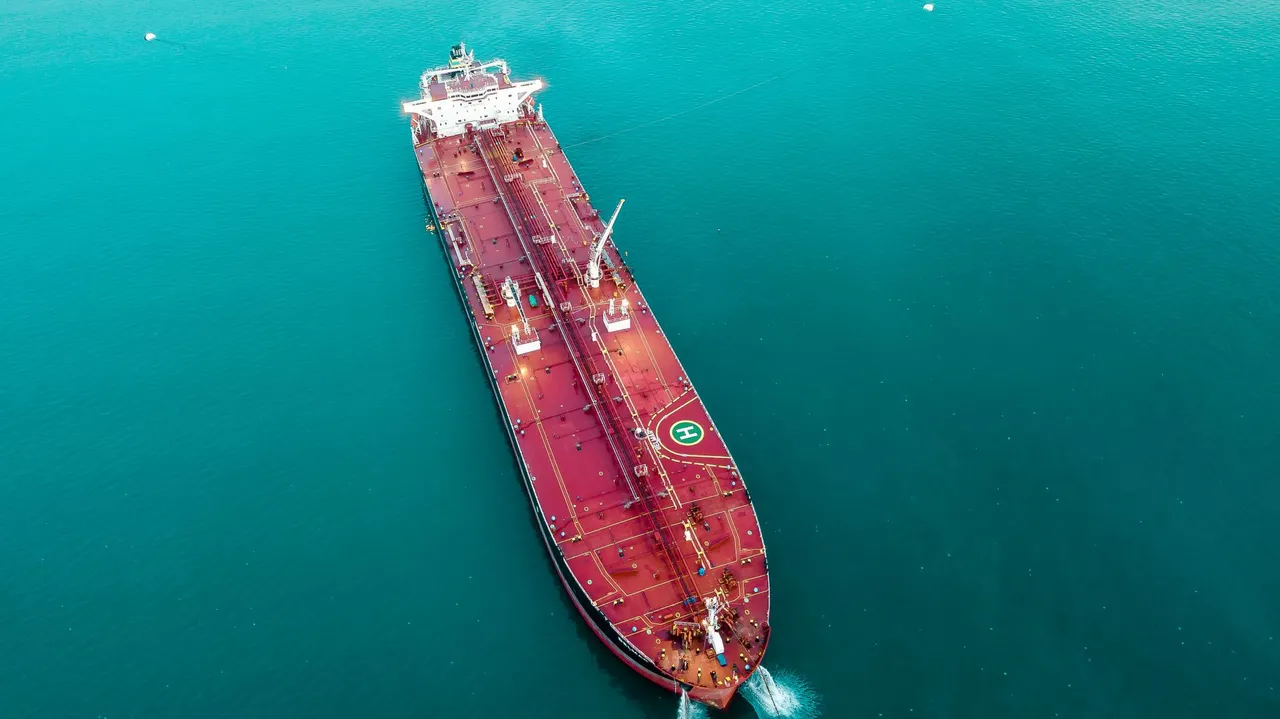
October has turned into the worst month for attacks on commercial shipping in the Strait of Hormuz since the war began in late February. The International Maritime Organization logged 27 attacks on commercial ships in the strait during the first three weeks of the month, and independent trackers put the confirmed total at 28 or more. Then, on 24 October, two supertankers carrying more than 4.5 million barrels of crude struck sea mines just south of the strait, caught fire in their engine rooms, and were abandoned by their crews. Oil has responded the way it always does: Brent pushed past USD 116 a barrel this week, its highest since May.
If you import on the shipping routes from China to the GCC, you are right to ask what any of this has to do with your containers. Your boxes do not ride on a VLCC, and they rarely transit Hormuz at all these days. The answer is that the attack record matters to you through three channels: fuel, insurance, and the slow drip of container capacity back into the Gulf. All three feed directly into the invoice you will see for November cargo.
Here is what happened this month, why attacks are rising instead of falling, and what to lock down before you confirm your next booking.
The worst month so far, by the numbers
| Indicator | Latest reading | Source / date |
|---|---|---|
| Attacks on commercial ships in Hormuz in October | 27 confirmed, 28+ reported | IMO via USNI, 22 Oct; Lloyd’s List Intelligence, 22 Oct |
| Total incidents since the war began | About 120 | IMO, reviewed by Reuters, 23 Oct |
| VLCCs damaged since February | More than 30, including 11 in October | IMO list reviewed by Reuters |
| Ships on Iran’s “non-compliant” list | 124, expanded from 44 in late August | Lloyd’s List Intelligence, 22 Oct |
| Latest mine strikes | 2 supertankers, 4.5M+ barrels, disabled 24 Oct | IRGC statement via IRNA |
| Latest projectile incident | Tanker hit 7 nm off Limah, Oman, 22 Oct | UKMTO |
| Brent crude | Above USD 116, highest since May | Market data, 24 Oct |
Two details from this table deserve a closer look, because they explain the rest.
First, the targets. More than 30 VLCCs have been damaged since February, about 3.5 percent of the entire global fleet of very large crude carriers. October alone added 11 of them. Iran is not hiding the logic: its military calls this a two-part blockade, and the Persian Gulf Strait Authority now publishes a list of 124 ships it considers non-compliant, up from 44 when the list first appeared in late August.
Second, the money. Daily VLCC rates have exceeded USD 1 million on some voyages, and Gulf sellers are offering steeper discounts on crude. That combination is pulling owners back into the strait faster than the security situation justifies. Analysts quoted by Reuters noted that the owners taking the risk are being paid for it. Ships shuttle through at night with their transponders and mobile phones switched off, following a US-protected corridor. It works until it does not, as the two mined supertankers found out on Friday.
Why this is not just a tanker story
Container ships are not the target of choice in Hormuz right now, but they are still barely using the strait. Commercial container transits were running at roughly three to four a day in late October, against a pre-crisis norm of about 85 vessels of all types daily. On 13 and 14 October, projectile hits damaged three container ships and a tanker inside the strait, and the 2,824 TEU GFS Pride sank with its boxes still floating in the water. Carrier networks have adjusted accordingly: the Maersk–Hapag-Lloyd service that restarted this month calls at Khor Fakkan, outside the strait, instead of Jebel Ali, and we covered that rotation change in our FM1/AGX relaunch briefing.
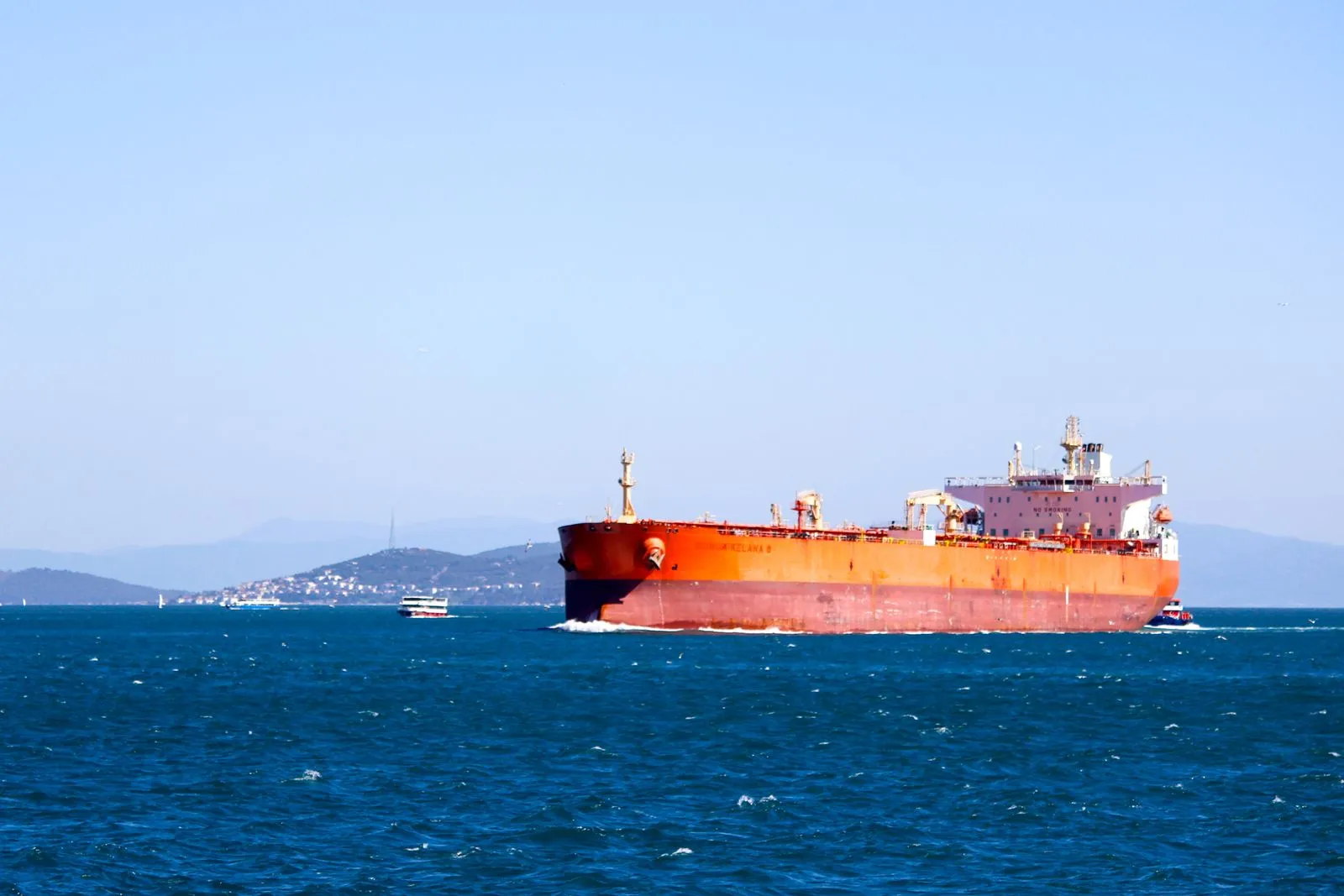
The direct risk to your container is therefore low. The indirect costs are not. Three lines on your freight invoice are directly tied to what happened in Hormuz this month:
- Bunker. Marine fuel was quoted around USD 901 per tonne this month against roughly USD 543 before the crisis, and crude at USD 116 keeps pressure on. Carriers revise bunker adjustment factors monthly, and November revisions filed this week trend upward. If your quote is more than two weeks old, assume the fuel line has moved.
- War risk and transit surcharges. Maersk keeps a Hormuz transit fee of USD 1,000 per container plus emergency rates of USD 1,800 per 20ft and USD 3,000 per 40ft on Gulf-scope cargo, and other lines run similar structures. Our war risk insurance explainer walks through how these premiums are calculated and what your cargo policy actually covers.
- The rate floor. Suez Canal transits are recovering fast, but as we detailed in our Suez–Hormuz split analysis, Gulf rates are set by Hormuz capacity, not by the canal. October spot rates to Saudi Arabia eased from September’s spike, yet a 40ft box to Jeddah or Dammam still runs roughly USD 9,450 to 11,550, several times pre-crisis levels. The record attack count is the reason the floor stays high: carriers price the risk, not the distance.
What to check before your November booking
You cannot control the strait. You can control how exposed your shipment is to the surcharges and surprises that come out of it. Five things worth doing this week:
- Ask for the all-in quote, dated. Base ocean rate, bunker, war risk, Hormuz or bypass surcharges, peak season where applicable. Every line should carry an amount and a validity date. “Subject to change” on a surcharge line in this market usually means it goes up.
- Compare the bypass routing honestly. Khor Fakkan, Fujairah and Salalah routings add inland legs but avoid the strait entirely. For cargo destined for the northern Emirates or Oman they can be faster door to door, not just safer. Run both options on the same shipment before deciding.
- Re-check cargo insurance. War risk on the hull and war risk on your cargo are different policies. If your policy excludes war zones, confirm whether the current Gulf designations apply to your routing, and budget the additional premium if you need it.
- Pad the schedule. Add at least a week to your planning buffer for November sailings. Even cargo that never goes near Hormuz is sailing through congested origin ports and tight Gulf landbridge capacity, and carriers retain the right to reroute.
- Price the air and sea-air fallback early. With jet fuel up 111 percent year on year, direct air is expensive, but sea-air through Dubai still undercuts it by 40 to 60 percent for mid-weight cargo. Knowing the number in advance beats improvising when a sailing rolls.
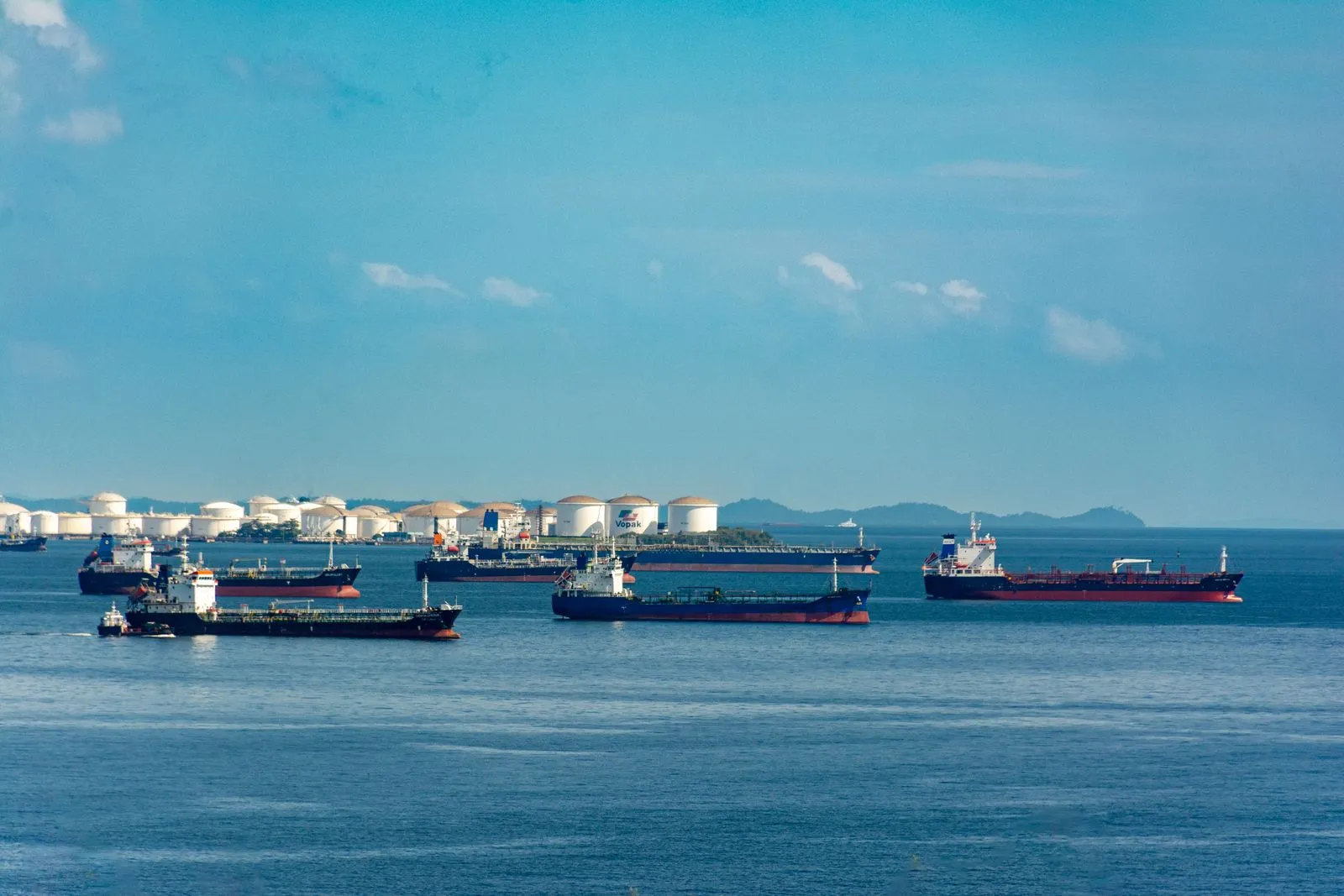
One more thing to watch: multiple outlets reported this week that the US military has been told to prepare for larger strikes after the 3 November midterm elections. Whether or not that happens, the reporting itself tends to move insurance markets. Expect war risk renewals around that date to be priced for escalation, not calm.
Frequently asked questions
Should I avoid booking Gulf cargo in November?
No. Cargo is moving, bypass routings are working, and October rates actually eased from September. The mistake to avoid is booking on stale numbers or vague surcharge language, not booking at all.
Will rates drop if the attacks stop?
Eventually, but not immediately. Carriers keep risk premiums in place for months after incidents end, and the 124-ship “non-compliant” list is a structural deterrent that does not disappear with a ceasefire. Plan for elevated rates into the first quarter of 2027.
Does the mine incident on 24 October affect container shipping?
Not directly, since mined waters sit on the tanker lanes south of the strait and container calls are already routed outside it. Indirectly, it keeps crude and bunker high and delays any meaningful recovery of Gulf container schedules.
Bottom line
October broke the attack record, and the market has priced it in everywhere except the lines of old quotes sitting in inboxes. Before your next booking from China to the Gulf: get a dated all-in quote, check the routing against the bypass options, confirm what your insurance actually covers, and hold a fallback plan for anything urgent. The strait will sort itself out on its own schedule. Your November shipment should not depend on it.
Planning November or December shipments to the GCC?
- WhatsApp: Get a quote now
Sources: IMO incident data as reviewed by Reuters (23 October 2026); USNI News (22 October 2026); Lloyd’s List Intelligence Strait of Hormuz brief (22 October 2026); IRNA/IRGC statement on mine strikes (24 October 2026); UKMTO incident reporting (22 October 2026); published October 2026 rate references for China–GCC lanes; GCC Freight operational data.