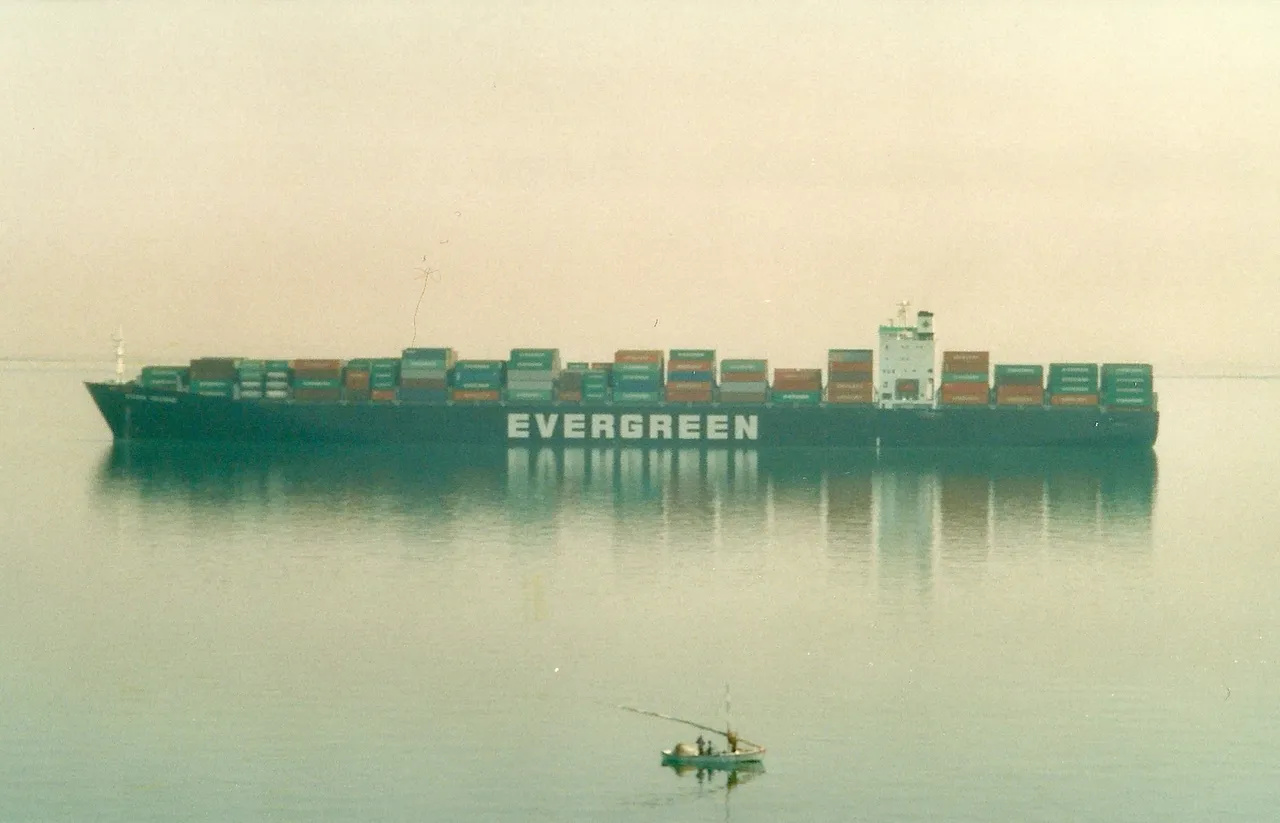
If you import goods from China to Saudi Arabia or the UAE or any GCC country, the planned Suez Canal surcharge increase taking effect on July 15, 2026 matters to you. Although the fee is levied on vessels transiting the canal, the extra cost will gradually flow through to the freight rates you pay as an importer — especially for cargo moving on routes that still rely on the Red Sea and the canal.
In this report, we explain exactly what the Suez Canal Authority (SCA) has decided, how much your shipment could cost in real terms, and what you can do as an importer or e-commerce seller to reduce the financial impact.
What Did the Suez Canal Authority Decide?
In June 2026, the Suez Canal Authority (SCA) issued a navigation circular raising the temporary transit surcharges applied on top of standard canal dues for most vessel classes. These surcharges are adjusted according to market conditions.
Effective Date
- Effective: July 15, 2026
- Scope: All vessels commencing transit on or after this date
- Nature: Temporary fees, subject to amendment or cancellation depending on market developments
Surcharge Rates by Vessel Type
| Vessel Type | Previous Surcharge | New Surcharge (from July 15) | Increase |
|---|---|---|---|
| Crude oil & product tankers (laden) | 25% | 37% | +12% |
| Crude oil & product tankers (ballast) | 15% | 27% | +12% |
| LNG carriers | 7% | 19% | +12% |
| LPG / chemical tankers | 20% | 32% | +12% |
| Car carriers (northbound) | 14% | 26% | +12% |
| Car carriers (southbound) | 12% | 12% | No change |
| Containerships | 12% | 12% | No change |
| Dry bulk carriers | 10% | 22% | +12% |
| General cargo, multipurpose, Ro-Ro, heavy-lift | 14% | 26% | +12% |
| Passenger ships | Exempt | Exempt | No change |
Key point: The containerships (FCL/LCL) that carry your goods from China to the Gulf will still pay a 12% surcharge, with no increase. But that does not mean rates will not rise, because the real impact comes from other route-related costs.
Why Is the SCA Raising Fees Now?
After the Red Sea crisis that began in late 2023, many carriers chose to avoid the Suez Canal and sail around the Cape of Good Hope, leading to:
- A 40–50% drop in canal traffic at times.
- Billions of dollars in lost Egyptian revenue.
- Higher fuel and insurance costs for ships in the region.
In 2026, however, some vessels — especially oil and gas tankers — began gradually returning to the Suez route, partly because of shifting shipping patterns caused by tensions around the Strait of Hormuz. The SCA is now trying to recover some of its lost revenue by raising fees on the vessel classes that have returned.
How Will This Affect China–Middle East Shipping?
1. Affected Routes
For shipments from China to the Arabian Gulf, there are two main routing options:
| Route | Description | Impact of Suez Surcharge |
|---|---|---|
| Direct Indian Ocean route via Strait of Hormuz | China → Indian Ocean → Strait of Hormuz → Jebel Ali / Jeddah / Dammam | Not affected — vessels do not pass through the Suez Canal |
| Red Sea / Suez Canal route | China → Red Sea → Suez Canal → Mediterranean → Europe (or reverse) | Directly affected — mainly for cargo to/from Europe |
For most shipments from China to Saudi Arabia or the UAE: vessels do not pass through the Suez Canal. They sail south through the Indian Ocean and through the Strait of Hormuz. This means the direct impact of the Suez surcharge is limited on the China–GCC lane.
2. Indirect Impact: Global Rate Pressure
Even if your cargo does not transit the canal, the surcharge increase affects you in two ways:
A. Vessel Reallocation
When the Suez Canal becomes more expensive, some carriers may reallocate vessels away from Asia–Europe routes, reducing capacity on the China–GCC lane. Lower capacity means higher rates.
B. Higher Fuel and Insurance Costs
The region around the Suez Canal still faces security risks. The new fees come alongside:
- War risk insurance: can reach 0.5–1% of vessel value per voyage.
- Extra fuel costs: for vessels avoiding the region and sailing around Africa.
- Peak season surcharge (PSS): applied by carriers in July–August.
3. Impact by Cargo Type
| Cargo Type | Impact Level | Reason |
|---|---|---|
| FCL/LCL containers (general cargo) | Low–Medium | Container surcharge stays at 12%, but general rate pressure may push prices up 5–10% |
| Dry bulk cargo | High | Dry bulk surcharge rises from 10% to 22% |
| Oil and petroleum products | Very High | Tanker surcharge rises from 25% to 37% |
| LNG | High | Surcharge rises from 7% to 19% |
| Vehicles / cars | High | Northbound car carrier surcharge rises from 14% to 26% |
Expected Extra Cost on a 40ft Container
Let’s assume you are importing a 40HQ container from Shanghai to Jeddah or Jebel Ali. How does the Suez surcharge translate into real extra cost?
Current Scenario (June 2026)
| Cost Item | Estimated Cost |
|---|---|
| Base ocean freight (40HQ) | $2,500 – $3,500 |
| Bunker adjustment factor (BAF) | $200 – $400 |
| Port handling / THC | $250 – $400 |
| War risk surcharge (WRS) | $100 – $300 |
| Approximate Total | $3,050 – $4,600 |
Expected Scenario (July–August 2026)
With the new surcharge and seasonal pressure:
| Cost Item | Estimated Cost |
|---|---|
| Base ocean freight (40HQ) | $2,700 – $3,800 (+5–10%) |
| Bunker adjustment factor (BAF) | $250 – $450 |
| Port handling / THC | $250 – $400 |
| War risk surcharge (WRS) | $150 – $350 |
| Peak season surcharge (PSS) | $200 – $500 |
| Approximate Total | $3,550 – $5,500 |
Bottom line: A 40HQ container from China to the GCC could cost an extra $300 – $900 in July–August 2026 compared with June. That is roughly a 10–20% increase in total shipping cost.
How to Reduce the Impact
1. Book Early Before July 15
If you have planned shipments for July or August, try to confirm bookings before July 15, 2026. Many carriers apply the new fees to vessels commencing transit after that date, but rates confirmed earlier may be protected.
2. Choose Routes That Avoid the Suez Canal
For China–GCC shipments, ask your forwarder to confirm that the chosen service does not pass through the Red Sea. Most direct services to Jeddah and Jebel Ali sail via the Indian Ocean, which is faster and less affected.
3. Consider LCL for Smaller Shipments
If your shipment is under 15 CBM, LCL may be more flexible in the face of increases, because the extra cost is shared among multiple importers.
4. Use Dubai as a Transshipment Hub
Instead of shipping directly to Saudi Arabia, Qatar, or Kuwait, you can ship a full container to Jebel Ali and distribute goods by road. This gives you:
- More carrier options.
- Lower ocean freight cost.
- Flexibility in final delivery timing.
5. Compare Sea vs. Air Freight
For urgent or high-value cargo, air freight may become relatively more competitive when ocean costs spike sharply — especially for smaller shipments where sea freight becomes disproportionately expensive.
6. Get Comprehensive Cargo Insurance
With increased regional risks, make sure your shipments are covered by All Risks insurance. It costs 0.3–0.5% of CIF value but protects you from much larger losses.
7. Negotiate Long-Term Contracts
If you import regularly, consider negotiating an annual contract with a trusted freight forwarder. Long-term contracts provide:
- More stable pricing.
- Priority space allocation.
- Greater transparency in surcharges.
What to Ask Your Freight Forwarder
When requesting a quote for your next shipment, make sure it clearly includes:
- Base ocean freight
- Suez Canal / Red Sea surcharge (if applicable)
- Bunker adjustment factor (BAF)
- War risk surcharge (WRS)
- Peak season surcharge (PSS)
- Terminal handling charges (THC)
- Destination customs clearance
- Delivery from port to warehouse
- Free time for demurrage and detention
GCC Freight tip: If your forwarder does not itemize these charges, there is a high chance you will face surprises on arrival. Always ask for a detailed, all-inclusive quote.
Future Outlook: Will the Increase Last?
The SCA has described the new fees as temporary, but reality suggests they could remain if:
- Geopolitical tensions in the region continue.
- Canal traffic does not return to pre-crisis levels.
- Insurance and fuel costs stay elevated.
On the other hand, if security conditions improve and vessels return to the canal in large numbers, the SCA may lower the surcharges again to encourage traffic.
How GCC Freight Helps You Manage the Increase
At GCC Freight, we track shipping rates and surcharges daily. We offer:
1. Real-Time Rate Updates
We notify you of any fee changes before they affect your shipment, and help you choose the best timing.
2. Route Analysis
We identify whether your shipment will pass through high-cost areas and suggest lower-cost alternatives when possible.
3. Transparent Quotes
Every surcharge is itemized upfront. No surprises on arrival.
4. Early Booking and Rate Locking
We help you secure space early and lock in rates before the new fees take effect.
5. Alternative Solutions
Whether you need air freight, LCL, Dubai transshipment, or a long-term contract, we recommend the best option for your situation.
Do you have shipments planned for July or August 2026?
Don’t let the Suez Canal surcharge catch you off guard. Contact GCC Freight now for a free cost analysis and customized quote.
Get a free consultation and customized quote
Published: June 29, 2026 Sources: Suez Canal Authority (SCA), Splash 247, The Maritime Blog, China Shipping Gazette, 2026 international freight market data